

Roofing Tips · San Leandro
Choosing Roof Maintenance That Produces a Useful Record
The best fit explains what your roof needs and why
A useful roof maintenance visit should leave you with more than the reassurance that someone looked at the roof. You should understand what was checked, which concerns were found, what work was completed and what needs another decision. That record makes the next visit more useful and helps distinguish a new problem from an unresolved one.
For a homeowner choosing a San Leandro roofing contractor, the practical starting point is the roof’s history. Approximate installation dates, previous leak repairs, recurring debris and changes inside the home all help explain what needs attention. You do not need to climb onto the roof or decide which repair method is appropriate before asking for help.
Banner Roofing’s office is at 14349 Washington Ave in San Leandro. An office location provides a clear contact point, but the maintenance decision should still rest on the proposed work, communication and fit for your home. Use this guide to evaluate roof maintenance recommendations and keep the detailed findings in one place. Our separate San Leandro roof maintenance guide explains what an ongoing care visit should document.
Roofing Tips · Start with the roof record
What Should a Roofer Learn Before Recommending Maintenance?
Describe the pattern, not only the latest symptom
Explain whether your concern is routine care, an indoor stain, visible damaged material or a problem that returns after earlier work. A maintenance request can uncover a repair need, but those are separate decisions. Ask which observations led to each recommendation and whether additional investigation is needed before a scope can be defined.
Give the contractor a short timeline. Include when you first noticed the issue, what work followed and whether the symptom changed. A few dated photographs from safe accessible locations can communicate the pattern more clearly than a long description. Keep the original images so later changes can be compared.
Share records without treating them as proof of current condition
An old invoice may identify a product or an earlier repair location, but it does not establish that the whole system is currently sound. Give the roofer access to useful records and ask what still needs to be verified. If you do not know the roof material or installation date, say so rather than guessing.
For residential roofing, include planned work near the roof, access concerns and areas of the home that are occupied throughout the day. These details help make the proposed visit specific to your property instead of a generic checklist.
Roofing Tips · Understand the recommendation
How Do You Separate Maintenance From Roof Repairs?
Identify the work that can be defined now
Maintenance may involve reviewing condition and addressing agreed routine care needs. Damaged components, recurring leaks or deteriorated flashing may require a distinct roof repair scope. Ask the contractor to name those components and explain which work is included in the maintenance visit. A short phrase such as roof service should not conceal several different jobs.
If water is entering the house, describe that at the first contact. Do not assume a scheduled maintenance visit automatically includes leak diagnosis or active repair. The contractor needs the opportunity to confirm the appropriate next step and discuss availability.
Keep larger decisions separate from routine care
A maintenance recommendation is not automatically a replacement recommendation. If roof replacement is raised, ask which findings support the larger scope and what a smaller intervention would leave unresolved. Our repair-versus-replacement guide provides a framework for that conversation without substituting roof age for an assessment.
Where the cause of an indoor symptom remains uncertain, discuss roof leak detection before selecting a repair. Clear diagnosis protects the maintenance plan from becoming a series of unrelated attempts to solve the same symptom.
Roofing Tips · Compare like with like
What Belongs in a Written Maintenance Scope?
Ask what areas and components will be reviewed
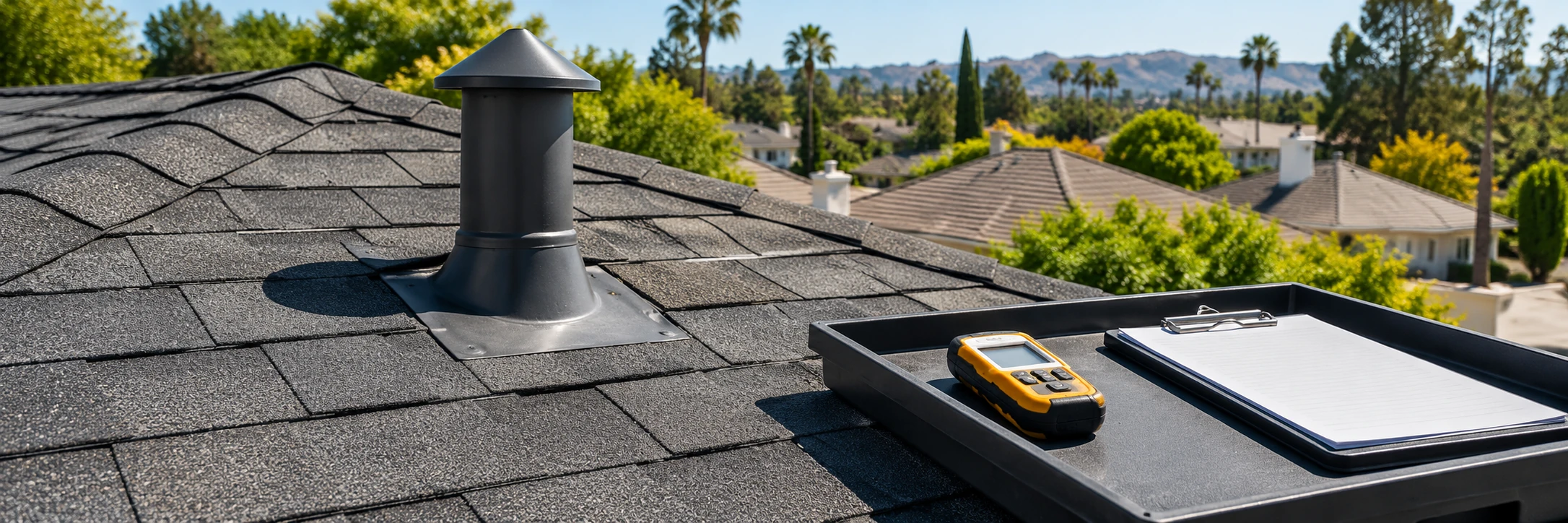
The written scope should identify the roof areas and relevant details covered by the visit. Ask how the contractor will communicate findings, which work can proceed within the agreed scope and what requires separate approval. Confirm whether photographs or a written summary will be supplied rather than assuming a particular reporting package.
The proposal should also distinguish recommended work from completed work. A note that a component needs attention does not mean it has been repaired. This distinction matters when you return to the record months later or share the roof history with another professional.
Compare the limits as carefully as the price
Ask whether roof-edge drainage, gutters and downspouts are included or separate. A roof review and gutter repair can relate to the same water problem while still requiring different work. Know where one scope ends before comparing totals from different contractors.
Also discuss access arrangements, cleanup and how newly discovered concerns will be presented. If a proposal mentions a warranty or follow-up service, request the actual terms. A reassuring phrase is less useful than a clear description of what is covered and what you should do if the original symptom returns.
Roofing Tips · Access and observations
How Should Homeowners Prepare for the Visit?
Prepare a concise property brief
List the property address, the main concern, known roof material, previous work and your preferred contact method. Mention locked gates, pets, narrow access areas or other arrangements the contractor should know before arriving. Ask where vehicles or equipment may need to be placed and which parts of the home need to remain accessible.
If photographs help, take them from the ground or an accessible interior location. Do not walk on the roof to gather a better image. Tell the contractor if a symptom occurs only under certain conditions, but leave the technical explanation open until the evidence has been reviewed.
Use the seasonal checklist for a different task
Our Oakland roof and gutter rain-preparation guide helps organize safely observed symptoms before wet weather. Its observations can inform a maintenance conversation, but it does not define a San Leandro home’s repair scope or replace a professional assessment.
For ongoing care, add each visit to the same roof record. Note who attended, what was reported and what remains open. A continuous history makes it easier to ask focused questions and reduces the chance that an important recommendation disappears among separate emails.
Roofing Tips · A continuous roof history
How Can You Keep Maintenance Decisions Useful Over Time?
Organize one record for the property
Create a roof file that another person could understand without having attended every visit. Include a simple description of the roof material, approximate known dates, invoices and the locations of previous concerns. Label a date as approximate when you are uncertain. A record that separates confirmed facts from recollection is more useful than a detailed history built on guesses. If more than one family member handles appointments, agree where the current record will be kept and which person will approve work. That prevents an earlier recommendation from being mistaken for an instruction that someone already authorized.
Carry open recommendations into the next conversation
Before a later maintenance visit, review what remained open after the previous one. Ask whether the new findings change that recommendation and whether any earlier condition has been addressed by separate work. This does not require you to keep asking for the same repair indefinitely. It gives the contractor an opportunity to explain what changed and what still matters. If you are preparing to transfer the home to another owner, retain the factual maintenance history and actual work documents together. Avoid turning a completion note into a claim that every roof component has been inspected or that no future repair can be needed.
Roofing Tips · Keep the follow-up useful
What Should You Receive After Maintenance Is Completed?
Review findings before filing the record
Compare the completion summary with the agreed scope. Ask which items were addressed, which were assessed only and which require a separate proposal. If the findings use unfamiliar terms, request an explanation tied to a photograph or a recognizable location on your home. You should be able to understand the record without becoming a roofer.
Keep any care instructions and proposed review timing alongside the invoice. Ask what observations should prompt an earlier call. The appropriate follow-up depends on the roof and findings, so avoid treating a generic interval as a guarantee that no problems can develop between visits.
Make the next conversation specific
If a symptom returns, share the date, location and change you observed. Refer to the earlier scope rather than describing the entire roof as failing. A clear history helps the contractor understand whether the issue relates to previous work, another component or a cause that still needs investigation.
To request a free estimate from Banner Roofing, describe your San Leandro property and whether you need routine maintenance, an assessment of a concern or discussion of a recommended repair. The goal is a defined next step and a record that remains useful after the visit.
Roofing Tips · Questions & Answers
San Leandro Roofing Contractor Questions
How do I find the best roofing contractor near me in San Leandro?
Begin with contractors who confirm service to your address, then compare relevant experience, written scope and communication. Check current credentials through the appropriate official resources and read reviews for specific project details. Banner’s San Leandro office is a contact point, but choose a contractor based on fit for the work rather than distance alone.
Does roof maintenance include repairs?
Only the work stated in the agreed scope should be assumed included. Ask the contractor to distinguish routine care, condition assessment and repairs to damaged components. If additional work is recommended, request a separate explanation of the findings and proposed scope before deciding. Keep that recommendation with the maintenance record.
Should I arrange maintenance if my roof is not leaking?
A visible leak is not the only reason to discuss roof condition. Previous repairs, debris accumulation or a lack of records can justify a conversation about care. Explain what you know and ask which review is appropriate. Maintenance should reflect the actual roof rather than an assumed problem based only on age.
Can roof maintenance prevent every future leak?
No maintenance plan can establish that every concealed condition has been eliminated or that future damage cannot occur. Ask what the proposed work addresses, what remains outside the scope and what symptoms should lead to follow-up. Specific expectations are more useful than a broad promise that the roof will never leak.
What should I keep after the roofer leaves?
Retain the agreed scope, completion notes, dated photographs if provided, invoice and any care or warranty terms. Mark recommendations that were not completed as open items. Use the same record for future visits so a contractor can understand the sequence without reconstructing it from scattered messages.
Can Banner discuss gutter concerns during a maintenance inquiry?
Yes, describe gutter overflow, loose attachments or downspout concerns when you contact Banner. Confirm which roofing and drainage services are appropriate and whether they require separate scopes. Sharing both symptoms helps the conversation, but it does not establish that they have the same cause.
Related Roofing Guides
San Leandro · roof maintenance
San Leandro Roof Maintenance: How Do I Find the Best Roofer for Ongoing Care?
Build a useful roof-care record for your San Leandro home. Learn what maintenance visits should document and how to separate routine care from repairs.
Read the guide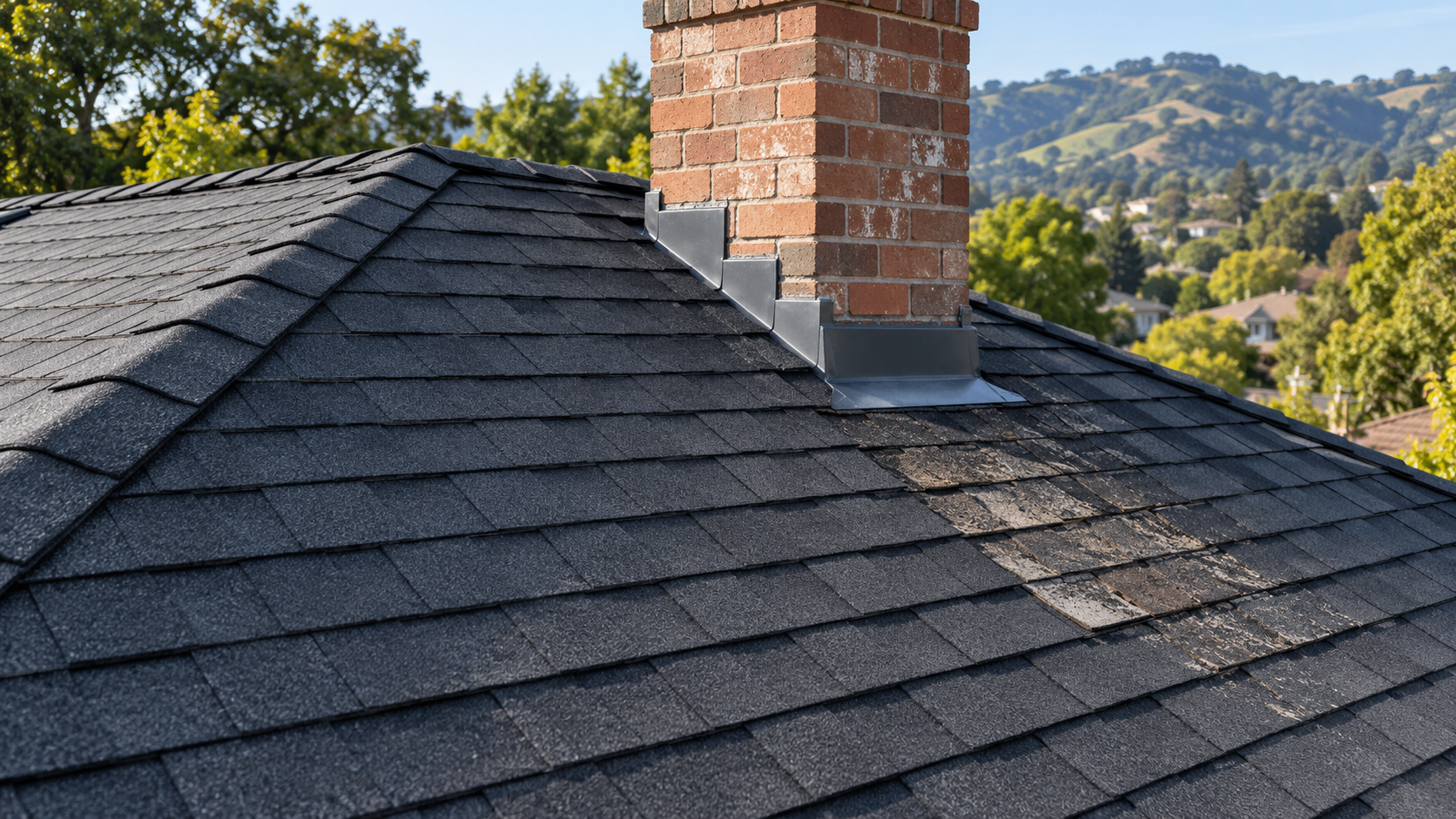
East Bay · Roofing Decisions
Should I Repair or Replace My Roof in the East Bay?
Compare roof repair and replacement in the East Bay. Learn which signs to discuss, what an assessment should cover and how to compare estimates.
Read the guide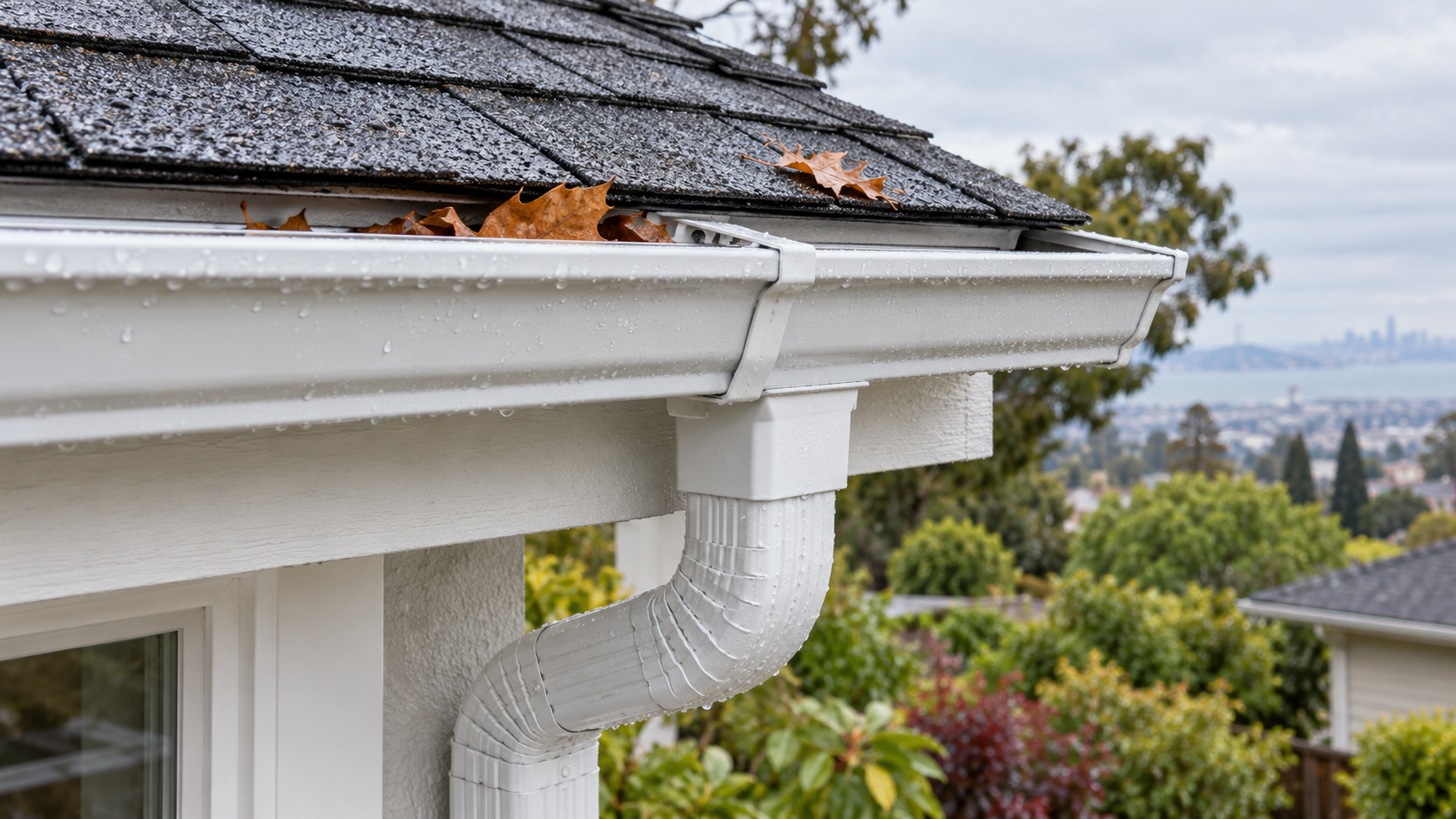
Oakland · Roof Maintenance
How Do I Prepare My Oakland Roof and Gutters for Rain?
Prepare your Oakland roof and gutters for rainy weather. Review visible warning signs, drainage concerns and questions to ask before scheduling maintenance.
Read the guide