
Residential Roofing · San Leandro
Make Roof Maintenance a Record of What Your Home Needs
Useful ongoing care connects one visit with the next
The value of a maintenance visit is not just that someone looked at the roof. It is the information you can use afterward: what was reviewed, what work was completed, which concerns need a separate decision and what should be observed next. For a San Leandro homeowner, those records make later estimates and follow-up conversations easier to understand.
The best provider of roof maintenance can explain a scope suited to your system and its condition. A new roof, an older roof with repairs and a home with recurring drainage concerns may need different conversations. A generic checklist or fixed interval should not replace that assessment.
The San Leandro roofing contractor guide covers broader hiring questions. This article focuses on building an ongoing care record, comparing maintenance scopes and keeping routine work distinct from repairs that require separate approval.
Residential Roofing · Starting record
What Roof Information Should You Gather Before a Maintenance Visit?
Create one history instead of several disconnected estimates
Collect the approximate installation date if known, the roof material, earlier proposals and repair invoices. Add photographs or notes about any indoor moisture, roof-edge overflow or repeated concern. You do not need a complete history to ask for help. An honest list of what is known and unknown is more useful than an assumed installation date or a guess about the material beneath the covering.
Keep the records in one folder so the contractor can understand what has changed since earlier work. Identify the locations where repairs were made rather than describing the whole roof as repaired. If another trade has worked near the roof, include that date and area too. This information helps the maintenance discussion begin with the actual property history, without turning an earlier contractor’s recommendation into an unquestioned diagnosis of the roof’s current condition.
Residential Roofing · System-specific care
How Should a Maintenance Scope Reflect Your Roofing Material?
Ask what the proposed tasks accomplish
Ask the contractor which tasks are appropriate for the roof system and why. Care for shingle roofing and tile roofing should reflect the installed materials and relevant manufacturer guidance. A broad roof-cleaning promise is not enough to establish that a method is suitable. Confirm the actual proposed work before agreeing to treatments or activities that affect the roof surface.
Discuss how the roof will be accessed and how the surrounding property will be protected. Describe nearby trees, areas where debris is observed and any roof details that have needed attention before. Avoid turning those observations into a do-it-yourself roof task list. You can gather useful information from the ground and inside the home; work on the roof itself requires an appropriate professional approach to the specific system and access conditions.
Residential Roofing · Findings and completed work
What Should the Contractor Document During the Visit?
Distinguish observation, action and recommendation
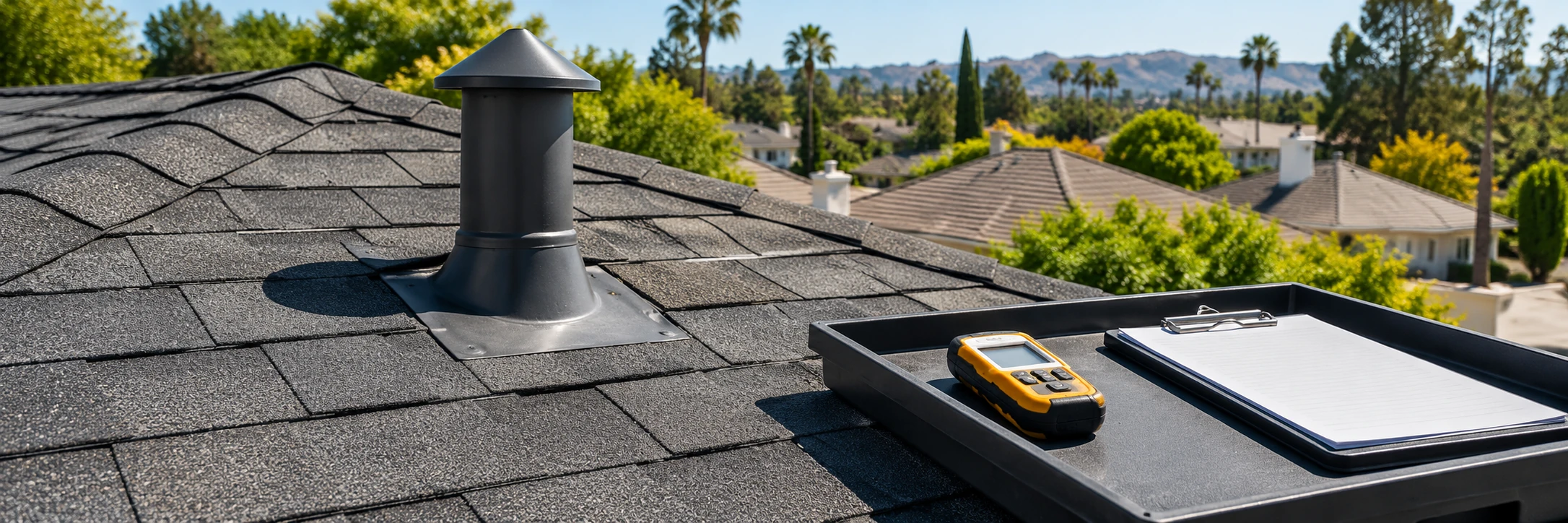
Ask for a record that separates what was observed from what was done. A finding might describe a visible condition, while completed work identifies the maintenance task actually carried out. A recommendation explains what should happen next and whether it requires another assessment or estimate. Combining all three in a vague statement that the roof was serviced makes future conversations difficult.
Where photographs are provided, ask for enough context to identify the location. A close image of a defect without a wider view can be hard to use later. Keep the date, area reviewed and any access limitations with the report. If part of the roof could not be assessed, that limitation should remain visible in the record rather than disappear behind a general statement that everything was checked. A maintenance record is useful because it is specific, not because it sounds reassuring.
Residential Roofing · Scope boundaries
When Does Maintenance Become a Separate Roof Repair?
Require a clear decision when damaged components are found
Routine care and repair can arise during the same visit, but they are different decisions. Ask whether damaged flashing, displaced materials or other findings require a defined roof repair scope. Find out which work is already authorized and which needs a separate estimate. An ongoing-care arrangement should not make it unclear when you are agreeing to additional roofing work.
If a wider recommendation is made, ask how it follows the findings. The existing repair-versus-replacement guide explains how to compare work areas, remaining condition and unknowns. Maintenance is not a promise that all future leaks will be prevented, and a repair recommendation is not automatically proof that the previous care was inadequate. Document the current evidence and proposed action so each decision remains tied to what is known about your roof now.
Residential Roofing · Connected upkeep
How Should Roof-Edge Drainage Fit Into the Care Plan?
Identify gutters and downspouts as named components
Ask whether the proposed maintenance includes any gutter or downspout review and what that review involves. Describe overflow, disconnected sections or water collecting beside the home. If damaged components need gutter repair or downspout repair, request a clear scope rather than assuming that all drainage problems are included in a roof-care visit.
Use the Oakland roof and gutter rain-preparation guide as an observation framework, while keeping your San Leandro home’s maintenance record specific to its own condition. This article adds the ongoing documentation and follow-up process rather than repeating that seasonal checklist. Ask how any roof and drainage recommendations should be coordinated, then retain the accepted scopes together so later assessments can see which components received work and which were left for another decision.
| Record field | What to keep |
|---|---|
| Visit | Date, property and areas reviewed. |
| Observations | Findings with locations and useful photographs. |
| Completed work | Tasks actually performed and materials used where relevant. |
| Separate recommendations | Repairs or further assessments needing another decision. |
| Limitations | Areas not accessed or conditions not established. |
| Follow-up | What to observe and whom to contact with a concern. |
Residential Roofing · Ongoing care
How Do You Turn Maintenance Findings Into a Practical Follow-Up Plan?
Choose the next step from the evidence
Ask what timing is recommended for the next review and why it fits the material, condition and exposure of your roof. Keep that recommendation with the report, but remain attentive to new symptoms between visits. A new leak, visible displacement or changed overflow pattern is a reason to contact a professional rather than wait because the calendar says a visit is not yet due.
During later rain, observe previously affected interior or ground-level areas safely and add dated notes if something changes. Keep the original photographs and accepted scope so the next conversation begins with an accurate history. Banner Roofing’s listed office is in San Leandro, and the San Leandro service-area information connects local coverage with the available services. To begin a care discussion, contact Banner Roofing with your roof history and current concerns. Confirm the proposed maintenance scope before treating a visit as an ongoing service arrangement.
Residential Roofing · Questions & Answers
San Leandro Roof Maintenance Questions
How do I find the best roofer near me for ongoing maintenance?
Look for a provider who can explain the tasks suited to your roof and document the work clearly. Ask how maintenance findings become separate repair recommendations and how follow-up questions are handled. Confirm service at your San Leandro address and compare relevant experience and written scope rather than a best-roofer claim.
How often should my roof receive maintenance?
Ask for a recommendation based on the installed material, condition, exposure and available manufacturer guidance. A universal interval cannot account for every roof. Keep the proposed timing in your records and contact a professional sooner if you observe a new leak, visible damage or a changed drainage pattern.
Does maintenance guarantee that my roof will not leak?
Do not assume that it does. Maintenance addresses the tasks and conditions described in its scope, while concealed defects or later changes may create separate concerns. Ask what the visit includes, which limitations apply and what to do if a new symptom appears afterward.
Are repairs included in a maintenance visit?
Only where the accepted scope authorizes them. Ask the contractor to distinguish routine care from damaged components that need a separate repair decision. Request an explanation and approval process before additional work expands beyond the maintenance scope you agreed to.
What if I do not know my roof’s age or material?
Say what you know and gather any earlier invoices, proposals or safe photographs. Unknown information should remain identified as unknown until it can be established. You can still request a maintenance discussion and ask what information the contractor needs to define an appropriate review.
Should I keep reports even when no repair is recommended?
Yes. A dated record of the areas reviewed, observations and completed tasks can help a later assessment understand what changed. Keep access limitations and recommended follow-up too. Useful records describe the visit specifically rather than merely stating that the roof was checked and appeared fine.
Related Roofing Guides

San Leandro · Contractor Guide
San Leandro Roofing Contractor: How Do I Choose the Best Contractor for Roof Maintenance?
Compare San Leandro roofing contractors for ongoing roof maintenance. Learn what a useful care plan, written scope and follow-up record should contain.
Read the guide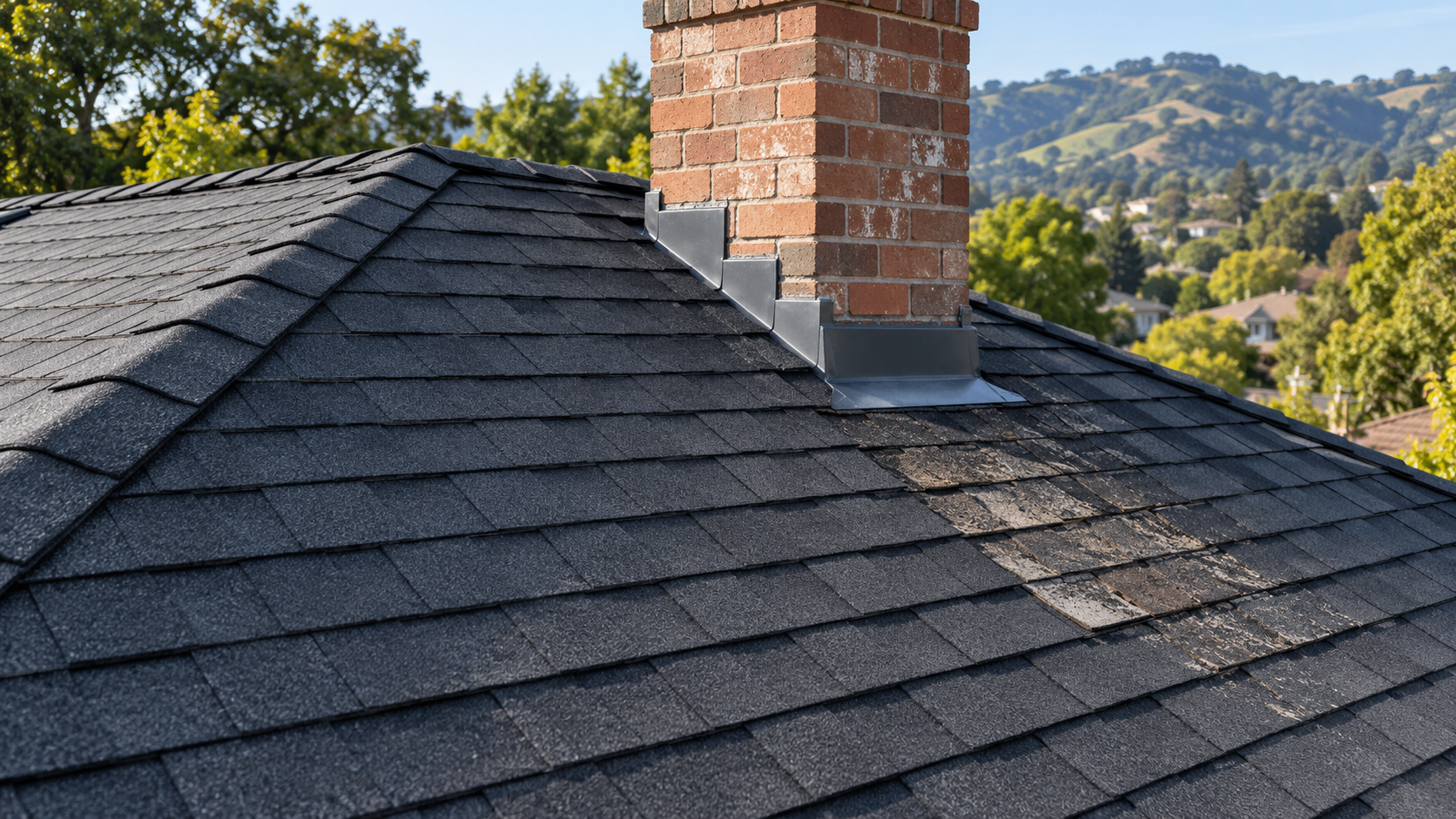
East Bay · Roofing Decisions
Should I Repair or Replace My Roof in the East Bay?
Compare roof repair and replacement in the East Bay. Learn which signs to discuss, what an assessment should cover and how to compare estimates.
Read the guide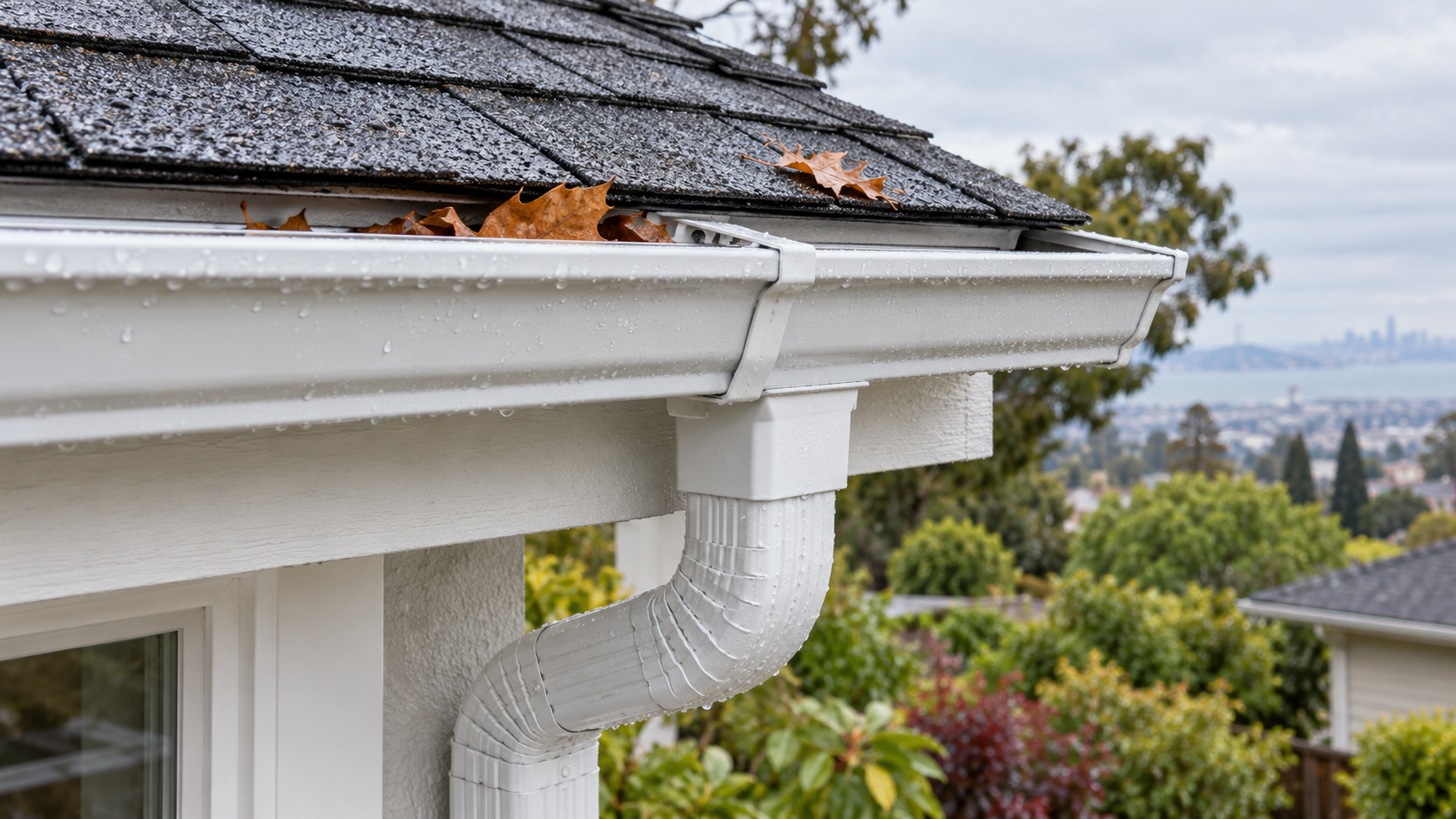
Oakland · Roof Maintenance
How Do I Prepare My Oakland Roof and Gutters for Rain?
Prepare your Oakland roof and gutters for rainy weather. Review visible warning signs, drainage concerns and questions to ask before scheduling maintenance.
Read the guide