

Residential Roofing · Berkeley
Understand the Roof Beneath the Tiles Before Choosing the Work
An attractive tile surface does not reveal every component
For a Berkeley homeowner, an underlayment question often begins with a contradiction: the roof tiles look largely intact, but water has appeared inside. The visible tile surface and the components beneath it play different roles in the roofing assembly. A useful assessment explains which part of that assembly appears involved and what evidence supports the recommendation.
The best contractor for this conversation can describe the investigation, its limits and the next decision in plain language. A promise to replace a few tiles may be too narrow when the cause is uncertain. A recommendation to open the entire roof may also need more explanation. Start with the tile roofing service scope and ask how it relates to your actual symptoms.
Our Berkeley roofing contractor guide covers the broader selection process. This article focuses on underlayment assessment, tile handling and the difference between a limited investigation and a wider reroofing proposal.
Residential Roofing · Roof assembly
Why Can a Tile Roof Leak When the Tiles Look Intact?
Separate visible condition from the hidden water path
A tile roof includes more than the exposed tiles. Underlying water protection, flashing and the details around transitions affect how the roof manages water. A sound-looking tile surface does not demonstrate that all of those components are sound. Conversely, a cracked tile does not establish that the component beneath it is the only source of an indoor leak.
Describe the symptom without deciding its cause in advance. Note the affected room, when water appears and whether a previous repair changed the pattern. Ask the roofer which parts of the assembly were reviewed and which remain concealed. If the entry point is unclear, discuss roof leak detection before selecting an underlayment repair. A clear account of the evidence helps prevent a repair scope from being based only on the most visible defect.
Residential Roofing · Homeowner records
What Information Helps an Underlayment Assessment?
Provide the history that the roof cannot show at one visit
Gather earlier proposals, repair invoices, photographs and the approximate installation date if you know it. Tell the contractor whether tiles have been moved for another project or whether equipment work took place near the leak. Those details are context, not proof that a particular person or component caused the problem. Separate what you observed from what someone previously suggested.
Describe whether the leak appears during prolonged rain, particular wind conditions or another repeatable situation. Keep dated photographs of interior symptoms where they can be taken safely. Do not walk on the tile surface to collect evidence or try lifting tiles yourself. Tile condition, roof access and the method of investigation belong in a professional planning discussion. The contractor should explain what the available records establish and what still requires on-site review.

Residential Roofing · Investigation boundaries
What Should a Roofer Explain Before Opening a Tile Roof?
Ask what will be opened and how it will be protected
When a closer investigation is proposed, ask which area would be opened, why that location was chosen and what the roofer expects to learn. Clarify whether that work is diagnostic, a defined repair or the beginning of a wider project. Understand how the area will be protected and what information you will receive before deciding on additional work.
Discuss the handling of existing tiles and the possibility that some pieces may be damaged, unavailable or unsuitable for reuse. Ask how replacement matching would be addressed without assuming a perfect visual match can be guaranteed. The written scope should explain the treatment of existing components and the process for communicating additional findings. A limited opening may answer a specific question, but it should not be described as a complete assessment of every concealed portion of the roof.
Residential Roofing · Scope decisions
How Do You Compare a Localized Repair With Wider Underlayment Work?
Ask what each option would resolve and leave behind
A localized recommendation should identify the affected area and explain why the surrounding condition supports that boundary. A wider recommendation should explain what makes a small repair insufficient, such as the pattern of deterioration or repeated concerns in separate areas. Ask the contractor to connect the findings with the proposed extent of work rather than relying only on the approximate age of the roof.
This is where the East Bay repair-versus-replacement guide can help organize your questions. If the discussion moves toward roof replacement, confirm which existing materials would be retained and which components would change. Our Berkeley roof replacement article explains how to compare the resulting written proposals. Neither a single leak nor the absence of obvious tile damage determines the right project size by itself.
Residential Roofing · Written estimate
What Belongs in a Tile-Roof Underlayment Proposal?
Make preparation and reinstatement part of the comparison
Look beyond the name of an underlayment product. Ask which roof areas are included, how tiles will be removed or handled, which underlying components are addressed and how the surface will be reinstated. Clarify flashing work, disposal, property protection and cleanup. Where a detail depends on concealed conditions, ask how it will be documented and approved once visible.
Request the actual proposed materials and applicable written terms. Confirm that the installation approach suits the roof assembly rather than choosing a product from a general online list. Ask whether additional structural or design input is needed if the project changes the system. For current project approvals or inspections, confirm responsibility with the contractor and the appropriate authority. The Berkeley service-area information confirms local coverage without suggesting that an online guide replaces project-specific approval.
| Item | Question to ask |
|---|---|
| Evidence | What suggests an underlayment issue rather than a different water-entry point? |
| Opening | Which areas will be accessed and why? |
| Tiles | What can be reused and how are damaged or unmatched pieces handled? |
| Scope | Which underlying components and flashing details are included? |
| Additional findings | How are changes photographed, priced and authorized? |
Residential Roofing · Follow-up
How Should You Keep Records After the Work?
Preserve the roof history for the next assessment
Keep the accepted scope, final changes, material details and any photographs the contractor provides. Record where work was performed so that a later concern is not discussed as if the entire roof received the same treatment. Ask what observations are useful after rain and which recommended maintenance applies to the completed system.
If water returns, note whether it appears in the same place and under similar conditions. Contact the contractor with that history rather than assuming the earlier work must have failed in a particular way. A new symptom needs its own assessment. To discuss your property, send Banner Roofing your Berkeley roof concerns, the material if known and a short repair history. The first step is confirming the available service scope and establishing what information is needed to review the underlying roof condition.
Residential Roofing · Questions & Answers
Berkeley Tile Roof and Underlayment Questions
How do I find the best tile roofer near me in Berkeley?
Look for relevant tile-roof experience and a clear explanation of the proposed assessment. Ask how existing tiles are handled, what can remain concealed and how findings will be documented. Verify qualifications and review genuine project examples when available. A search position or broad best-roofer claim does not establish suitability for your specific roof.
Does a tile roof leak always mean the underlayment needs replacement?
No. Water can enter at several kinds of roofing details, and the visible indoor symptom does not identify the entry point. Ask what evidence supports an underlayment concern and which other locations were considered. The scope should follow the assessment rather than begin with a predetermined repair product.
Can existing tiles be reused during underlayment work?
That depends on their condition, the roof system and the proposed work. Ask which tiles the contractor expects to retain, how they would be handled and how unsuitable pieces would be addressed. Obtain the plan in writing rather than assuming every tile can be reused or perfectly matched.
Can a small opening prove that the whole roof is sound?
A limited opening can provide information about the area inspected, but it does not automatically establish the condition of all concealed components. Ask the contractor to explain the limits of the investigation and what additional information would be needed before making a broader conclusion.
Should I compare tile-roof estimates by the total price alone?
No. Compare the areas included, tile handling, underlying materials, flashing, cleanup and the process for additional findings. A lower total may describe a smaller scope. Ask the contractor to clarify differences so that you understand what each proposal would accomplish and what would remain outside the work.
What should I do while waiting for an assessment?
Record indoor symptoms from safe locations and keep earlier roof documents together. Avoid walking on the roof or lifting tiles to investigate. If water is actively entering, contact a roofing professional to discuss the situation and available next steps without assuming immediate availability or a particular repair method.
Related Roofing Guides

Berkeley · Contractor Guide
Berkeley Roofing Contractor: How Do I Choose the Best Contractor for Shingle Roofing?
Choosing a Berkeley roofing contractor for shingles? Learn how to compare roof assessments, shingle systems, written estimates and installation planning for your home.
Read the guide
Berkeley · roof replacement
Berkeley Roof Replacement: How Do I Choose the Best Contractor for the Job?
Compare Berkeley roof replacement estimates by scope, materials, hidden-condition allowances and cleanup. Learn what to ask before choosing a replacement roofer.
Read the guide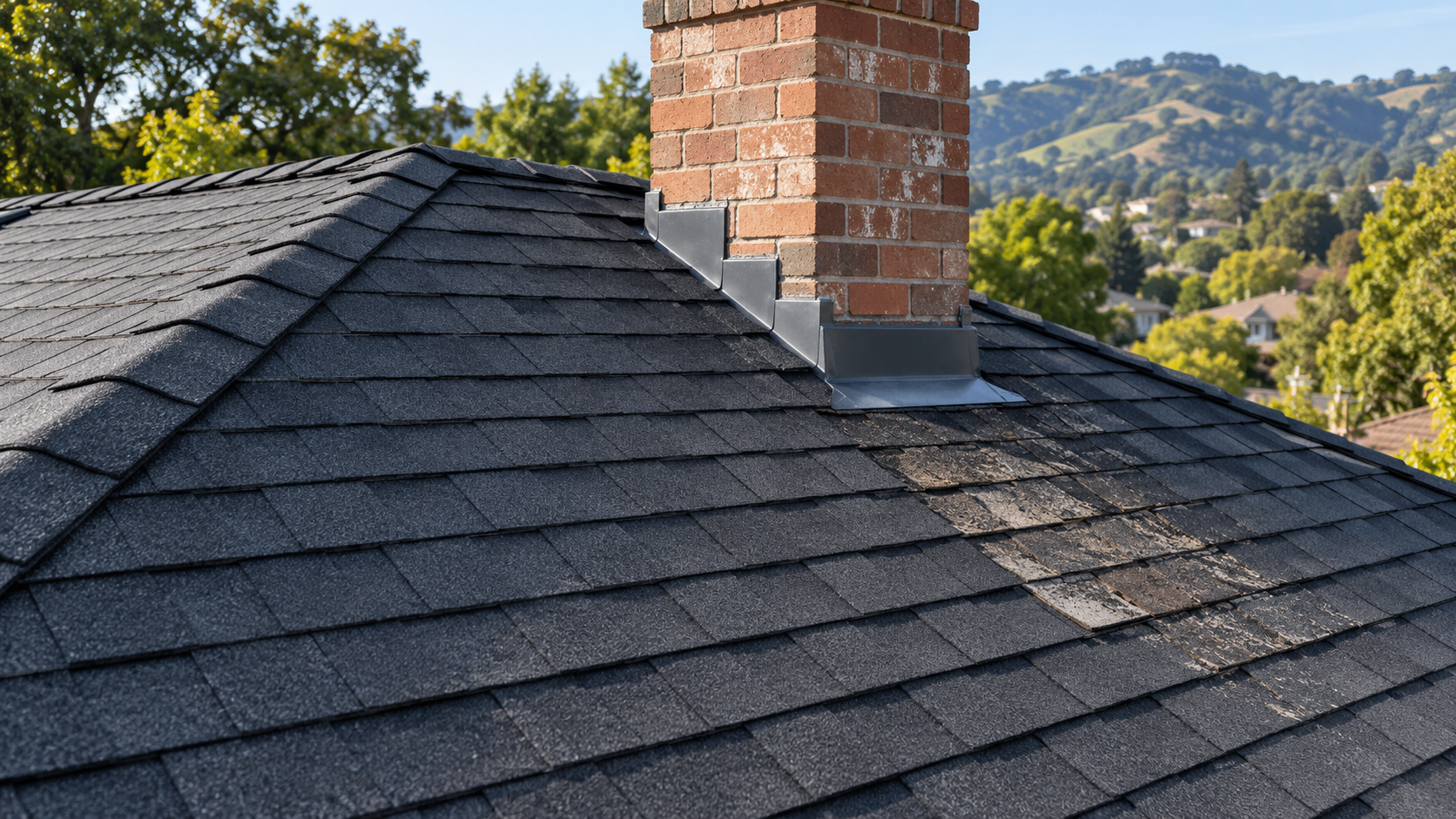
East Bay · Roofing Decisions
Should I Repair or Replace My Roof in the East Bay?
Compare roof repair and replacement in the East Bay. Learn which signs to discuss, what an assessment should cover and how to compare estimates.
Read the guide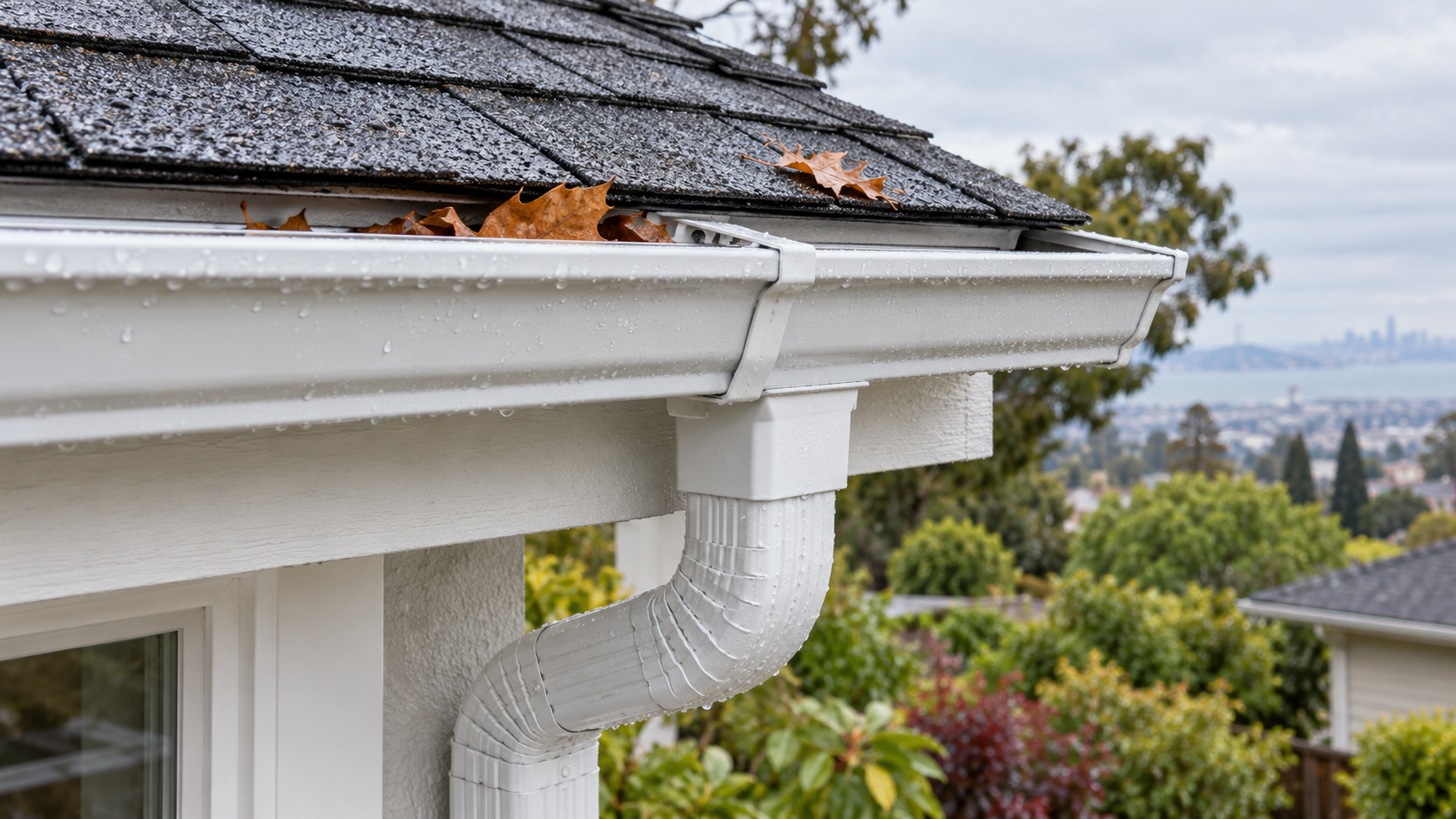
Oakland · Roof Maintenance
How Do I Prepare My Oakland Roof and Gutters for Rain?
Prepare your Oakland roof and gutters for rainy weather. Review visible warning signs, drainage concerns and questions to ask before scheduling maintenance.
Read the guide