
Residential Roofing Advice · Berkeley
Comparing Berkeley Roof Replacement Estimates
A price becomes useful when the scope is clear
Two roof replacement estimates can look similar at the top and describe very different projects underneath. One may identify the removal, materials and roof-edge work in detail. Another may summarize the work in a few broad words. Before treating the totals as a direct comparison, establish what each contractor intends to do and which conditions could change the scope.
This guide focuses specifically on roof replacement for an existing Berkeley home. If you are still choosing who to contact, start with the Berkeley roofing contractor guide. Here, the next task is to compare the work itself, including the proposed materials, treatment of existing components and responsibilities around the property.
Bring your roof history and the written proposals to the discussion. You do not need technical drawings or a diagnosis before asking good questions. A clear estimate should help you understand the recommended project and give you a practical way to compare it with another proposal.
Residential Roofing Advice · Scope boundaries
Do Both Estimates Cover the Same Roof Area?
Identify what is being replaced
Ask each contractor to identify the roof areas included. A main roof, attached addition, porch or another roof section may not all be part of the same proposal. Clarify how transitions between included and retained areas will be handled. A difference in the replacement boundary can explain a substantial difference in work without appearing in the headline description.
Request an explanation of what will be removed and what will remain. Ask whether the work concerns the covering only or includes other components within the defined area. Keep this question tied to the contractor’s findings rather than assuming that every existing layer or detail must be treated in the same way at every home.
Understand why replacement is recommended
Before comparing replacement scopes, make sure you understand the condition that led to the recommendation. Ask whether deterioration is widespread, whether earlier repairs have failed or whether another concern affects the practicality of a limited roof repair. The proposed work should follow the evidence.
If the basic decision is still uncertain, use the repair-versus-replacement guide to organize the conversation. Comparing a repair quote with a replacement quote requires an explanation of what each would accomplish, not just a comparison of totals.
Residential Roofing Advice · System details
Which Materials and Components Are Included?
Compare more than the roof covering
Look for identification of the proposed covering and related materials. Ask about underlayment, relevant flashings and roof-edge details within the scope. An estimate that names a shingle or tile without explaining the associated work leaves important questions open. Ask which parts will be new, which will remain and how retained components will connect to the proposed system.
For shingle roofing, discuss the actual offered product and installation requirements. For tile roofing, clarify the handling of existing tiles and any work beneath them. Product selection should reflect the roof being assessed rather than a general claim that one material is always best.
Clarify written product and workmanship terms
Ask for the documents describing any proposed material warranty and workmanship terms. Review who provides each term, what it covers and what conditions or care requirements apply. Do not assume that a material name, a long service-life statement or a general warranty phrase establishes the same coverage across different estimates.
Resolve appearance choices before ordering if they matter to the project. Discuss colors, profiles and visible retained components using the materials actually offered. A proposal is easier to evaluate when the selected system and its written terms are identified rather than left to a later conversation.
Residential Roofing Advice · Additional work
How Will Concealed Findings Be Handled?
Ask for a documented change process
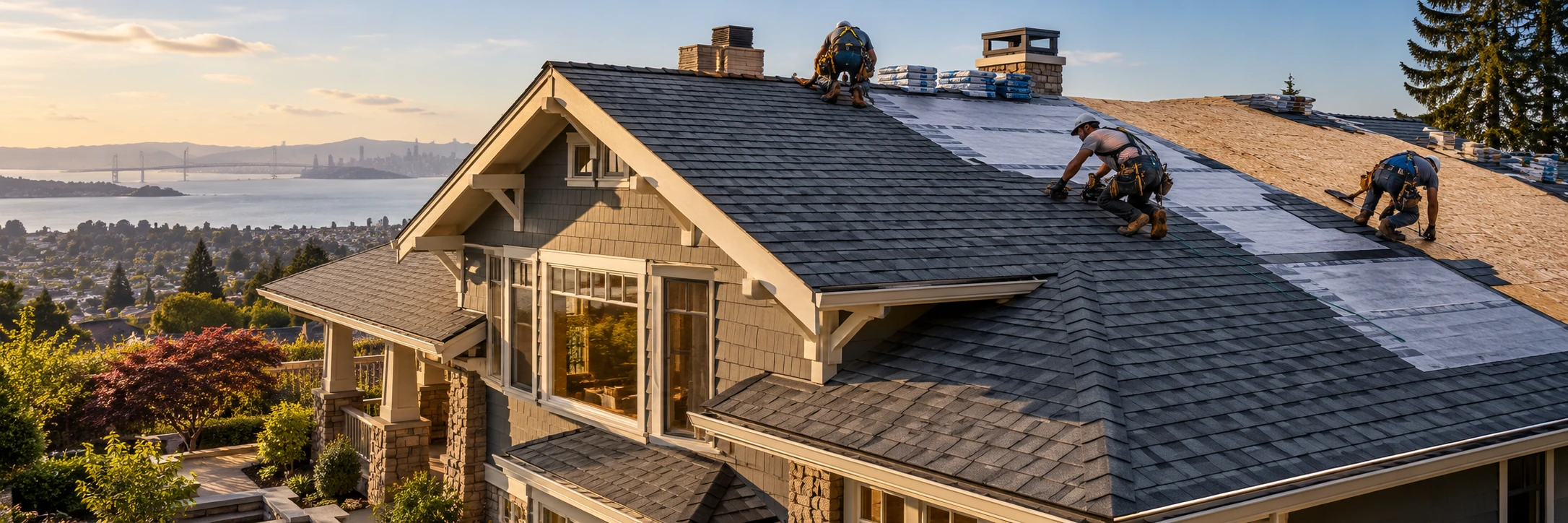
Ask what will happen if damaged decking or another concealed concern is discovered after existing roofing is removed. The response should explain how the finding will be recorded, who will contact you and how proposed additional work will be approved. A clear process helps separate an actual site finding from a vague open-ended qualification.
If an estimate contains an allowance, ask what condition it anticipates and how the final amount will be established. If it excludes a component, ask whether that component still needs assessment before the work can be defined. Understand the practical meaning of the estimate’s qualifications before comparing the final totals.
Compare uncertainty consistently
One contractor may describe a potential additional item that another has not mentioned. Ask both about the same condition rather than assuming that the second proposal includes it automatically. Keep the answers with the original estimates so that the comparison remains consistent when you discuss the project again.
A good question is what evidence would change the plan and what would stay the same. That encourages a specific answer about the property. It also helps you understand which parts of the price are based on established scope and which depend on findings that cannot yet be confirmed.
Residential Roofing Advice · Work at your home
What Property Arrangements Belong in the Scope?
Discuss access and protection
Explain access to the roof, parking and delivery limitations, outdoor belongings and areas that must remain usable. Ask where materials and debris will be placed and which arrangements you need to make before the start. The written proposal should be consistent with the property the contractor has assessed.
Ask about protection of the work area and cleanup responsibilities. Clarify what you should move, where occupants and pets should avoid the work and how the end-of-day condition will be managed. These details can affect your experience of the project even when the proposed roofing materials are similar.
Separate associated services
Gutters, downspouts and nearby building components should have clear work boundaries. Ask whether gutter repairs or other drainage changes are included, excluded or proposed separately. A roof replacement estimate should not leave you guessing about who will reconnect or assess adjacent components.
If the scope raises questions about permits or other local review, verify current requirements through the responsible authority and clarify who will coordinate the relevant steps. Keep the answer specific to your Berkeley property and the actual proposed work rather than applying a general assumption from another project.
Residential Roofing Advice · Choosing a proposal
How Do You Turn the Comparison Into a Decision?
Use the same questions for every estimate
Create a short list of unresolved items: replacement area, materials, retained components, concealed findings, property arrangements and cleanup. Ask each contractor to answer those items in writing. Once the differences are visible, you can decide whether a higher or lower total reflects a scope difference that matters to you.
Also compare how clearly the contractor communicates. You should understand who will be your contact, how changes will be explained and which records you will receive. The best proposal for your project is one that addresses the actual roof condition and gives you a usable agreement, not simply the shortest estimate or most confident sales statement.
Keep a record for future care
After work, retain the final scope, approved changes, relevant photos and care instructions. Our Berkeley tile-roofing guide explains additional questions when tile and underlayment are part of the system. Later roof maintenance discussions become easier when the work history is available.
Contact Banner Roofing about your Berkeley replacement project with the address, roof history and your questions. If you already have an estimate, identify the scope points you need explained. A useful first step is a conversation about the condition and proposed work rather than an unsupported online price comparison.
Residential Roofing Advice · Questions & Answers
Berkeley Homeowner Questions
How do I find the best roof replacement contractor near me in Berkeley?
Begin with contractors who confirm the address and proposed roof system are within their service scope. Verify credentials and compare the written replacement work. Ask about material selection, concealed findings, communication and cleanup. A clear explanation of the actual project is more useful than an unsupported claim that a company is the best.
Why do roof replacement estimates vary?
They may cover different roof areas, materials, preparation, retained components or additional-work assumptions. Ask each contractor to describe the same categories before comparing totals. A difference is not automatically an error, but it should be explained well enough that you can decide what matters to your property.
Should decking be included in every replacement price?
Ask how the contractor assesses existing decking and handles concealed findings. The roof condition and the proposed scope determine the discussion. Clarify what is included, what remains uncertain and how any additional work would be documented and approved after existing roofing is removed.
Does a new roof always include new gutters?
No automatic assumption should be made. Ask about gutter condition and the work needed to connect drainage with the replacement roof. Any gutter repairs or installation should be identified as included work or a separate scope so you understand the responsibilities and price.
What documents should I keep after replacement?
Retain the final scope, approved changes, invoices, relevant photographs, product information and any written care or warranty terms. Keep them together with the roof history. They help a later contractor understand the work and support more useful maintenance conversations.
Can I compare estimates without knowing roofing terminology?
Yes. Ask each contractor to explain which roof areas and components will be removed, replaced or retained in plain language. Request photos or marked descriptions when useful. Your task is to understand the agreed work and remaining questions, not to diagnose or design the roofing system yourself.
Related Roofing Guides
Berkeley · Contractor Guide
Berkeley Roofing Contractor: How Do I Choose the Best Contractor for Shingle Roofing?
Choosing a Berkeley roofing contractor for shingles? Learn how to compare roof assessments, shingle systems, written estimates and installation planning for your home.
Read the guide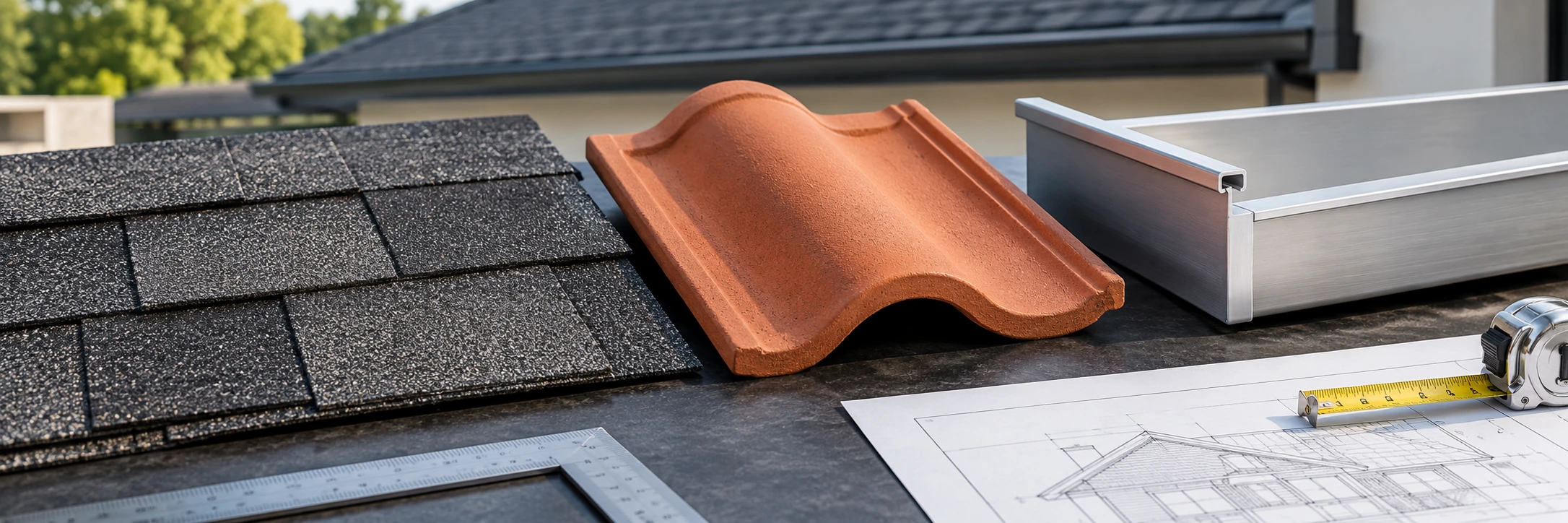
Berkeley · tile roofing
Berkeley Tile Roofing: How Do I Choose the Best Roofer to Assess the Underlayment?
A Berkeley tile roof can need investigation beneath the visible tiles. Learn how to compare assessment findings, underlayment scope and contractor recommendations.
Read the guide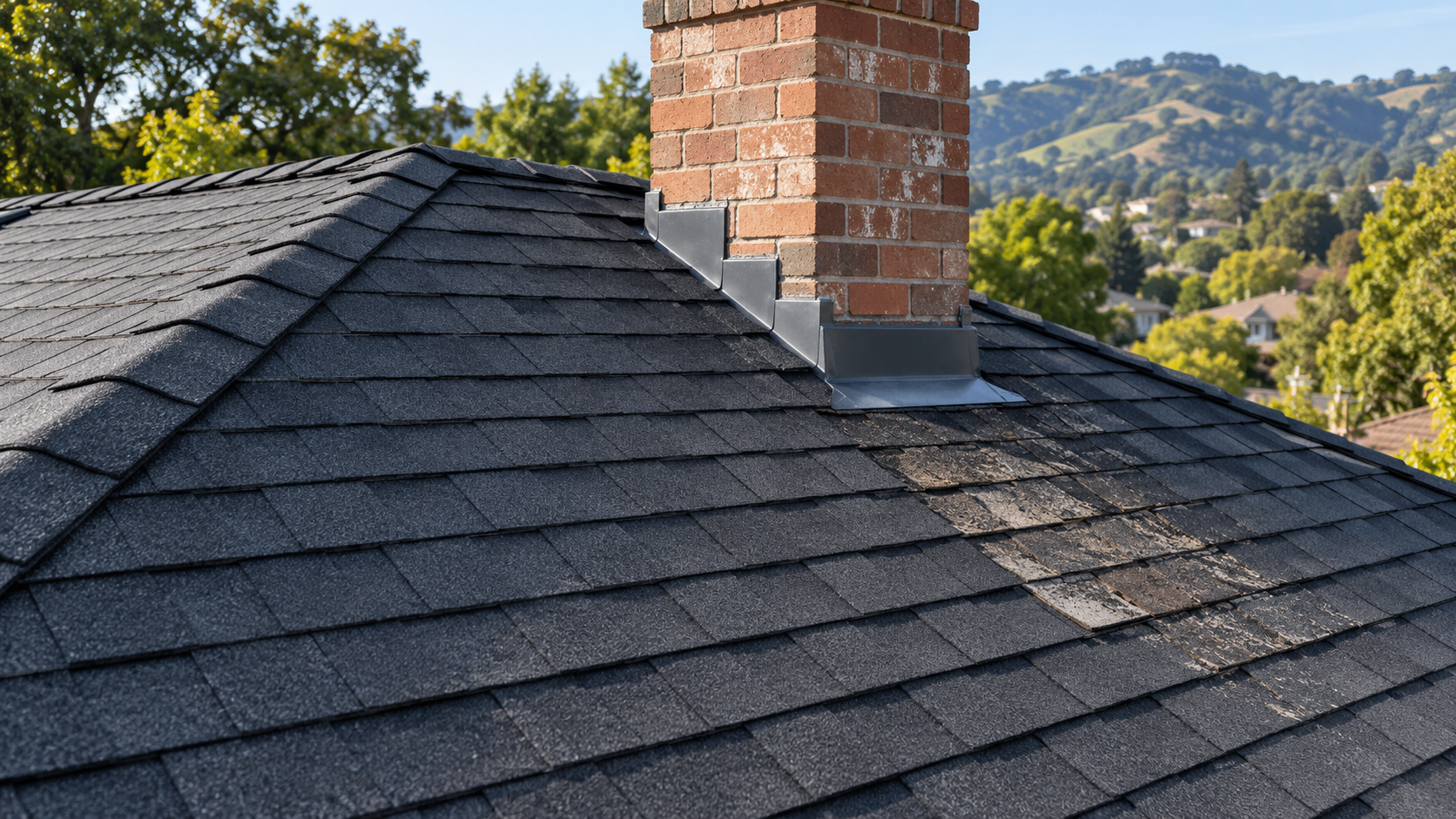
East Bay · Roofing Decisions
Should I Repair or Replace My Roof in the East Bay?
Compare roof repair and replacement in the East Bay. Learn which signs to discuss, what an assessment should cover and how to compare estimates.
Read the guide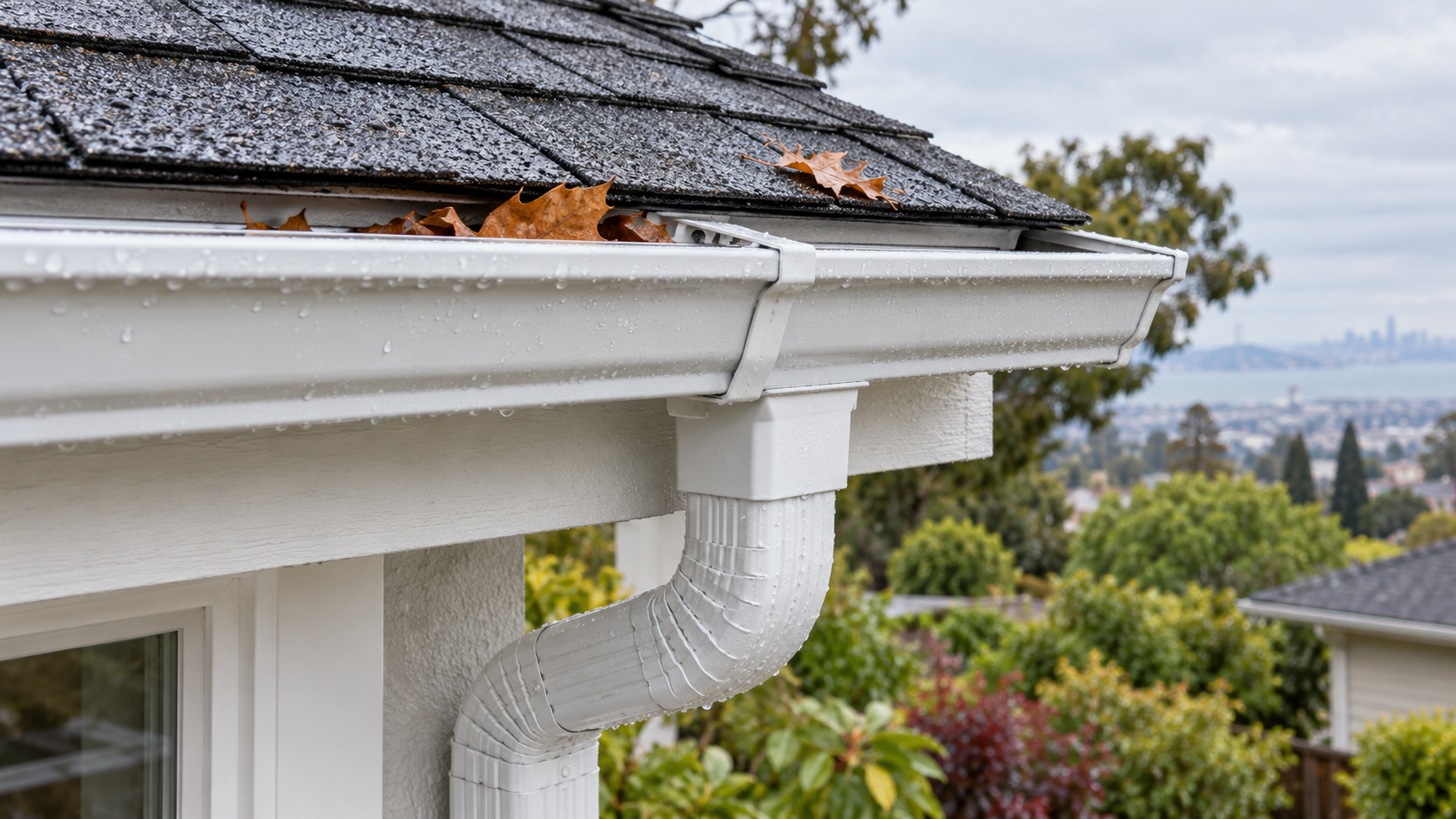
Oakland · Roof Maintenance
How Do I Prepare My Oakland Roof and Gutters for Rain?
Prepare your Oakland roof and gutters for rainy weather. Review visible warning signs, drainage concerns and questions to ask before scheduling maintenance.
Read the guide