
Roofing Tips · San Lorenzo
Choosing a Contractor for a Defined Shingle Repair
A missing shingle is a starting observation, not the whole scope
Shingle damage can look straightforward from the ground. You may notice a missing piece, an uneven edge or an area that differs from the rest of the roof. The repair decision still needs to consider the surrounding condition and relevant roof details. A photograph can identify a concern without showing every component involved.
When comparing a San Lorenzo roofing contractor, ask for an explanation of the assessed defect, the repair area and the work that will remain outside the proposal. The best fit for your home is a contractor who makes those distinctions understandable and supports the recommendation with findings.
This guide focuses on hiring for shingle roofing repairs rather than choosing a whole new roof. Banner Roofing lists San Lorenzo within its service area. Confirm your address and project requirements when you contact the company, then use the questions below to compare the available roof repair scope.
Roofing Tips · Describe the concern accurately
What Can You Learn From Visible Shingle Damage?
Record what you see without deciding the method
From the ground, note the affected side of the home and whether the damage appears confined to one area. Inside, record any stain or moisture symptom and when it first appeared. Explain whether there were earlier repairs in the same location. Those details give the contractor a useful history without asking you to diagnose the roof.
Avoid climbing onto the roof to lift shingles or inspect beneath them. That can introduce risk and alter the condition you are trying to describe. Share accessible photographs and let the contractor determine what closer assessment is appropriate for your roof material and concern.
Ask what the surrounding condition changes
A repair to a limited defect must be considered alongside the adjoining materials and roof details. Ask whether the proposed work addresses only the visible shingle damage or also another identified issue. The explanation should show why the repair area has been selected rather than describing every roof as having the same problem.
If the contractor raises a broader project, use our roof repair-or-replacement guide to compare what each approach resolves. The recommendation should follow the assessed condition, not an assumption that one missing shingle requires a new roof.
Roofing Tips · Verify the business and the proposal
How Do You Check a Contractor Before Agreeing to Work?
Use current official information
Ask for the business details needed to check the contractor through the California Contractors State License Board’s consumer resources. Make sure the name in the proposal can be connected with the business you are speaking to. If something is unclear, resolve it directly before treating a listing or advertisement as sufficient verification.
Do not rely on a screenshot from an old conversation to establish current status. Ask the contractor which documents and information apply to the proposed work and verify them through appropriate sources. This article does not replace checking the current record for the company you plan to hire.
Read reviews for relevant project details
Look for descriptions of communication, written scopes, handling of questions and cleanup. A review about a different type of project may say little about the shingle repair you need. Ask the contractor about comparable work without assuming that an online photograph depicts a local project or a specific customer’s home.
The term best should describe the fit between the contractor and your project. It should not require you to accept an unsupported ranking. A clear explanation of your roof’s condition is more helpful than a general promise that the company can solve every roofing problem.
Roofing Tips · Make the work area clear
What Should a Shingle Repair Estimate Explain?
Identify materials and related details
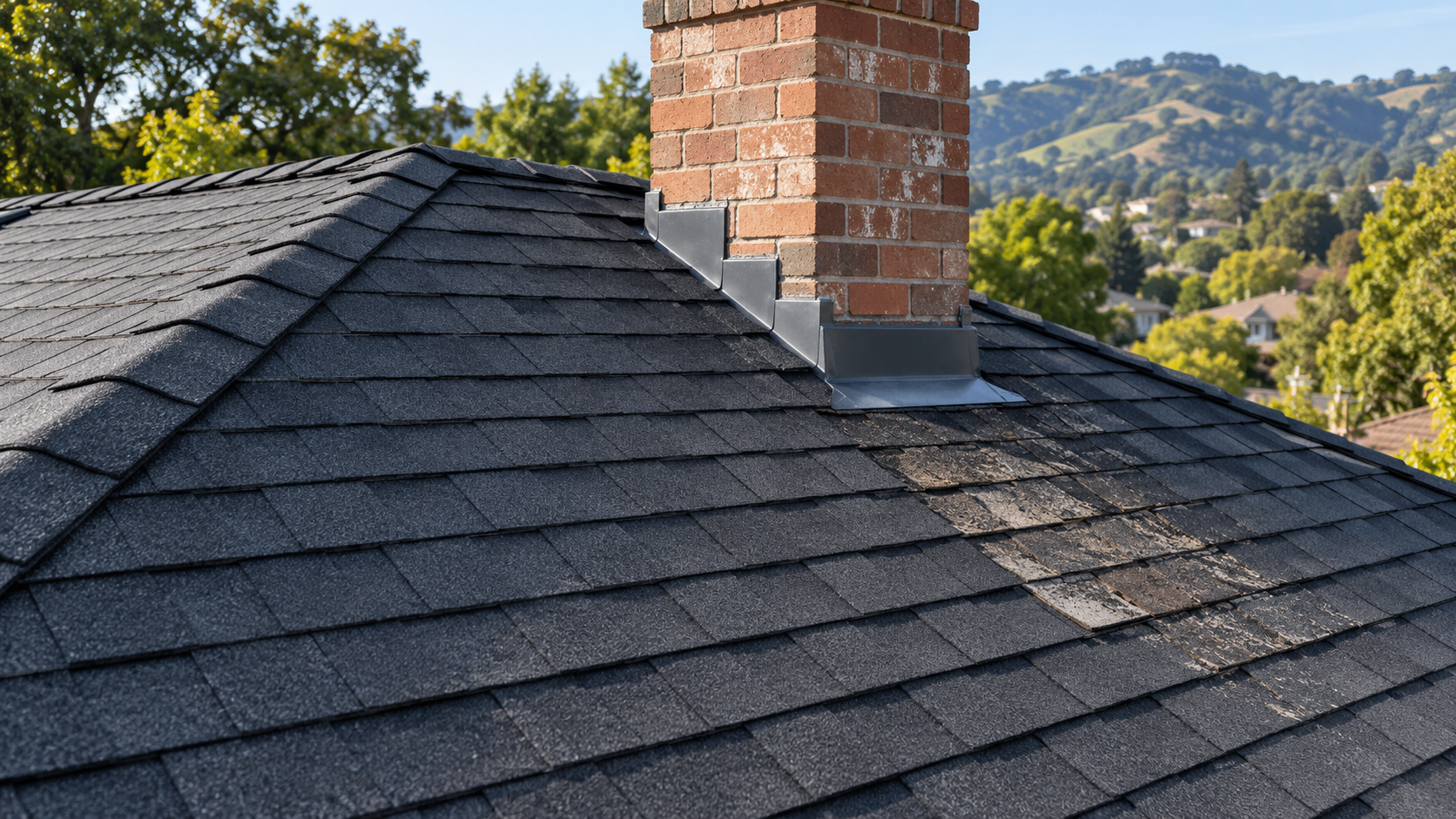
Request a written description of the affected area, proposed materials and relevant roof details. Ask whether the work includes identified flashing or another component alongside the shingles. If a component is being retained, ask how that decision relates to the condition found. The scope should be specific enough to compare with another proposal.
Matching appearance may matter to you, especially where the repair can be seen from the street. Discuss available materials and the possibility of visible differences before deciding. Do not infer an exact match or a particular product from the phrase shingle repair.
Describe the process for additional findings
Some conditions may become clearer only when the agreed work begins. Ask how additional findings would be documented and how a change to the scope would be presented. A homeowner should know the communication process rather than discovering it during a decision about extra work.
Our roof repair assessment guide offers further questions about evidence and scope. Use those questions to clarify your own San Lorenzo proposal instead of assuming that another home’s repair method fits your roof.
Roofing Tips · Keep connected symptoms separate
How Do Leaks and Drainage Affect the Repair Conversation?
Explain indoor water entry at first contact
A visible damaged shingle may be relevant to a leak without proving the entry point. Tell the contractor where and when water appears and ask how the assessment connects the symptom with the proposed repair. Where the source is uncertain, discuss roof leak detection rather than selecting a repair only from the stain location.
If water has appeared far from the visible defect, say that explicitly. A useful account includes changes during different rain conditions and any earlier repairs. Keep observations factual so the contractor can assess the evidence without working backward from a guessed cause.
Mention roof-edge water concerns
Gutter overflow, loose roof-edge components or leaking downspout connections may deserve their own review. Ask whether drainage observations affect the roofing recommendation and which work is separate. Gutter repair is not automatically part of a shingle repair simply because both symptoms appear after rain.
Our roof and gutter rain-preparation checklist helps organize safely visible concerns. Use it to prepare a concise description, then request a scope that reflects the actual roof and drainage findings.
Roofing Tips · A proportionate scope
How Do You Evaluate a Small Repair Without Underestimating It?
Avoid judging the work only by the visible opening
A small patch of visible shingle damage can lead to a modest repair, but the photograph alone cannot define the preparation or related details involved. Ask the contractor to explain what must be accessed and why the selected work area extends as far as it does. A larger-than-expected repair area is not automatically evidence of unnecessary work. It needs an explanation tied to the roof’s condition. Conversely, a very short proposal is not automatically a simple solution. Confirm that the assessment has considered the relevant surrounding components before treating a small visible defect as the complete problem.
Ask what evidence would change the recommendation
A useful contractor can explain which findings support the present scope and what additional information could alter it. That is different from promising in advance that nothing else will be found. Ask how any change would be discussed and keep the answer with the written proposal. If another contractor recommends a different approach, compare the evidence and stated limits rather than asking each company to match a price without matching the work. The goal is a proportionate repair that addresses the assessed concern, with clear remaining limitations. It is not a contest to find the smallest possible patch or the broadest possible replacement recommendation.
Roofing Tips · Access and roof history
What Should Happen Before and After the Repair Visit?
Confirm practical arrangements
Describe gates, pets, parking or other access restrictions before the appointment. Tell the contractor whether the affected roof area is over an addition or another part of the home with unusual access. Ask which arrangements are needed for assessment and work and how scheduling changes will be communicated.
Keep a copy of the agreed scope and the contact details for project questions. If you are comparing more than one proposal, use the same property description and repair history for each. That helps avoid comparing recommendations based on different starting information.
Retain the findings and next steps
After the repair, ask what was completed and whether any concerns remain outside the scope. Keep photographs if provided, the completion record and actual warranty or care terms together. Ask what observations should prompt a call and whether a separate maintenance recommendation applies.
To request a free estimate for your San Lorenzo roof, explain the visible shingle concern, any indoor symptoms and the roof history you know. If the conversation leads to ongoing roof maintenance, keep that plan separate from the repair record while storing both in the same place.
Roofing Tips · Questions & Answers
San Lorenzo Roofing Contractor Questions
How do I find the best roofing contractor near me for shingle repairs in San Lorenzo?
Confirm service to your property, verify current business information through official resources and compare a specific written repair scope. Look for a contractor who explains the assessed defect and surrounding condition. The best choice is the company whose available work and communication fit your project, not necessarily the nearest advertisement.
Can a few damaged shingles be repaired without replacing the whole roof?
A limited repair may be appropriate when the surrounding condition supports it, but that requires an assessment. Ask what makes the proposed repair practical and what remains outside its scope. If replacement is recommended, request the findings that support the broader work instead of relying only on the roof’s age.
How can I check a roofing contractor’s license information?
Use the current consumer resources provided by the California Contractors State License Board and match the business details with the proposal. Ask the contractor for clarification if names or information differ. Do not treat an old document or a search-result headline as a substitute for reviewing the appropriate current official record.
Will repaired shingles match the existing roof exactly?
Discuss that before agreeing to work. Product availability, the existing material and its appearance can affect what a repair looks like. Ask the contractor to explain the proposed materials and any expected visible differences. Do not assume an exact match is included unless it has been specifically addressed in the agreement.
Does an indoor stain prove the shingles above it are leaking?
No. The stain is a useful observation but may not identify the entry point. Explain when it appears and share the repair history. Ask the contractor how the findings connect the roof condition with the symptom. Where the source remains uncertain, discuss further investigation before choosing a repair method.
What should I ask if a roofer recommends extra work during the repair?
Ask which new condition was found, how it relates to the original scope and what the additional work would accomplish. Request a written explanation and the agreed process for changes. Keeping the original scope and new findings together makes the decision easier to understand and preserves a useful roof history.
Related Roofing Guides
East Bay · Roofing Decisions
Should I Repair or Replace My Roof in the East Bay?
Compare roof repair and replacement in the East Bay. Learn which signs to discuss, what an assessment should cover and how to compare estimates.
Read the guide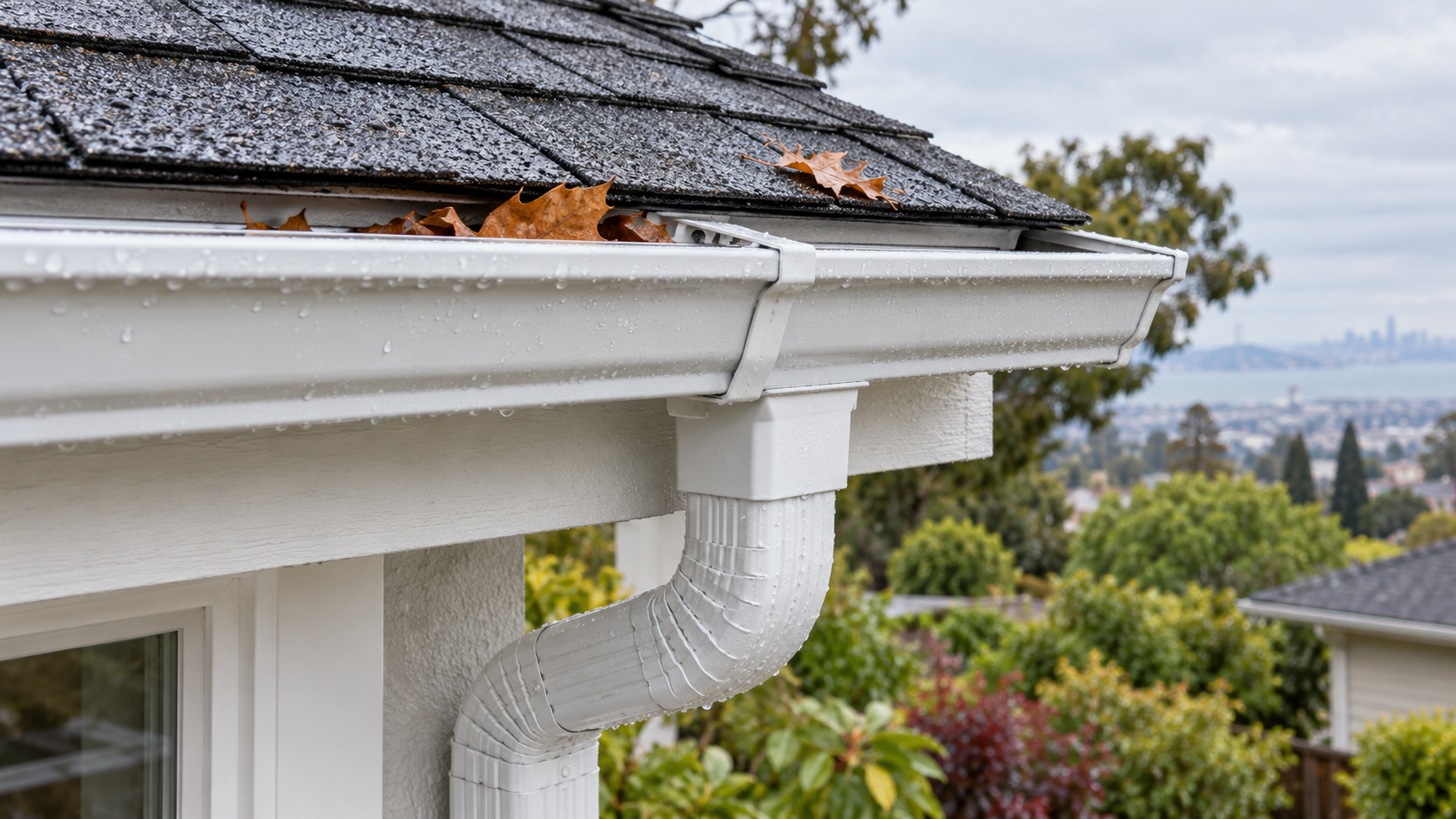
Oakland · Roof Maintenance
How Do I Prepare My Oakland Roof and Gutters for Rain?
Prepare your Oakland roof and gutters for rainy weather. Review visible warning signs, drainage concerns and questions to ask before scheduling maintenance.
Read the guide