
Residential Roofing Advice · Moraga
Choosing a Moraga Roofer Starts With the Tile System
Look beyond the appearance of the roof
A tile roof is more than the tiles visible from your driveway. Water protection also depends on components beneath the covering and at transitions around walls, chimneys and other penetrations. A careful contractor-selection conversation establishes which part of that system needs attention. A visible cracked tile, a ceiling stain and an older-looking roof are useful observations, but none establishes the full scope alone.
For a homeowner searching for a Moraga roofing contractor, the most useful comparison is how each roofer connects the concern with a proposed solution. Start with tile roofing services, describe the roof history and ask what the assessment will review. Banner lists Moraga within its East Bay service area; the office is in San Leandro. Confirm your address and project requirements when requesting a visit.
This guide focuses on choosing a contractor for tile-roof work and preparing for a useful estimate. It covers the information to gather, questions about the roof system and ways to compare proposals without assuming that the largest scope or lowest total is automatically the right answer.
Residential Roofing Advice · System assessment
What Should a Contractor Assess on a Tile Roof?
Ask about the concern beneath the covering
Explain whether you have noticed an indoor leak, displaced tiles, damage following another project or a concern raised during earlier maintenance. Ask the roofer to distinguish the condition of the visible tile covering from the condition of the water-protective components underneath. The resulting explanation should say which findings are known and which may remain uncertain until an agreed area is opened.
When the source of water is unclear, ask whether roof leak detection is needed before a repair is specified. A contractor should not treat a photograph of a stain as proof that the entry point sits directly above it. Clear diagnosis reduces the chance that a proposal addresses only the most visible symptom.
Include transitions and previous work
Identify chimneys, roof-to-wall junctions and places where equipment or other building work may have affected the roof. Share invoices and photographs from earlier work, even if they do not include a full technical description. The roofer can use them to ask better questions about what changed and which areas were previously disturbed.
Ask how existing tiles will be handled within the proposed work area and what happens if additional damaged material is found. This is particularly useful when tiles must be lifted to reach underlying components. Do not assume that every tile can be reused or that replacement pieces will match the existing appearance without discussion.
Residential Roofing Advice · Contractor selection
How Can You Compare Relevant Tile-Roof Experience?
Request evidence connected to your project
Ask the contractor to explain a comparable type of work: a localized tile repair, a roof transition repair or a broader project involving the components beneath the tiles. A useful answer describes the process and limitations rather than offering a general claim that all roofs are the same. If photographs or references are offered, ask what work they actually show.
Review credentials through the appropriate official channels and make sure the identity on the proposal matches the business you intend to hire. Read reviews for descriptions of communication, protection of the property and the clarity of the final scope. A star score can begin your research, but it cannot tell you whether a contractor understands your specific tile-roof problem.
Use best to mean the best fit
A search for the best roofer near me usually reflects a practical need: someone trustworthy who serves the address and can explain the work. Define your own priorities before comparing estimates. You may place more weight on finding a recurring leak, preserving serviceable tiles or understanding the disruption of a larger project.
For a deeper look at the difference between spot damage and underlying water protection, read our tile-roof repair guide. The examples are about assessment questions, not a diagnosis of your Moraga home. Bring the questions that apply to your own roof into the estimate discussion.

Residential Roofing Advice · Repair options
When Is a Limited Repair Worth Discussing?
Connect the repair boundary to the findings
A roof repair may be worth discussing when the defect is limited and the surrounding roofing system can support the proposed work. Ask which tiles or underlying components are included, how the repair area is defined and which concerns would remain outside it. A clear boundary makes the proposal easier to evaluate and gives you a useful record afterward.
Ask whether the recommendation resolves an identified cause or represents an initial investigation with a later repair decision. Both conversations may be useful, but they are different commitments. Knowing which one you are authorizing helps prevent confusion about what a first visit or a preliminary price actually includes.
Understand why a wider scope is proposed
If a contractor recommends broader work, ask what pattern of deterioration supports that recommendation. The explanation might concern several affected areas, recurring failures or the condition of components beneath a larger portion of the covering. Roof age and appearance can inform the discussion, but ask for the recommendation to be tied to your actual roof.
Our East Bay repair-versus-replacement guide provides a separate framework for comparing those options. Keep the Moraga contractor-selection decision focused on who can explain the evidence and deliver the agreed work, rather than choosing a scope because it sounds more comprehensive.
Residential Roofing Advice · Property information
What Should You Prepare Before the Estimate?
Create a concise roof history
Write down when the concern began, what weather or activity preceded it and whether the symptom has returned. Include the approximate roof age if known, earlier repairs and the affected interior rooms. A short timeline is easier to use than a collection of close-up images without dates or locations.
Photograph accessible interior symptoms and roof views from safe ground-level positions. Keep the original files so the location and date remain available. You do not need to walk on tiles to provide useful information. Ground observations help prepare the conversation while the contractor determines how the roof can be assessed appropriately.
Explain access and property arrangements
Tell the contractor about driveway access, gates, landscaping close to the house and any areas that must remain usable. If the proposed work involves lifting materials, storing tiles or moving debris, ask where those activities would occur. The estimate should reflect the property arrangement rather than assume that every home offers the same access.
If you have architectural review obligations or questions about permits, identify them early and verify current requirements with the responsible authority. Ask which coordination belongs to you and which belongs to the contractor. Do not rely on a general online article to decide what a particular Moraga project requires.
Residential Roofing Advice · Written scope
What Makes Tile-Roof Estimates Comparable?
Compare the components and work area
Check that the proposals describe the same roof area and the same problem. Look for preparation, handling of existing tiles, work beneath the covering, flashing details where applicable, disposal and cleanup. Ask how additional findings would be photographed, priced and approved before they change the agreed project.
Separate included work from optional work and unresolved questions. If one proposal describes only tiles and another includes underlying components, the totals may reflect substantially different work. Request clarification rather than assuming that the higher price is excessive or the lower price offers equivalent protection.
Record terms and the next step
Obtain any proposed workmanship and material terms in writing. Ask who will be the contact during the project, how scheduling changes will be communicated and what follow-up information you should keep. Specific written terms are more useful than a general promise that the roof will be taken care of.
Contact Banner Roofing about your Moraga home with the address, roof history and your main concern. Ask for an explanation of the available assessment and tile-roof service scope. The aim of the first conversation is a clear next step supported by the information about your property.
Residential Roofing Advice · Ongoing care
How Do You Keep the Roof Record Useful After Work?
Retain evidence of what was done
Keep the final scope, photographs, invoices and any care instructions together. If the project changed after additional findings, retain the approved changes alongside the original estimate. That record shows which areas were addressed and helps a future contractor understand the roof without reconstructing the entire history from memory.
Ask what observations should prompt another call and whether any follow-up is recommended for your particular roof. Check interior areas that previously showed symptoms from safe accessible locations. A quiet period after a repair is useful information, but it does not replace any agreed follow-up or written maintenance instructions.
Connect care with the existing roofing system
Use roof maintenance discussions to establish what the roof actually needs. Avoid assuming that every tile roof benefits from the same treatment or that a product recommended online is compatible with your system. Share future work by other trades so roof access and disturbance can be considered before it happens.
For broader seasonal observation questions, our roof and gutter rain-preparation guide explains how to record visible concerns without climbing onto the roof. It complements a contractor assessment and provides a useful starting point for keeping your roof history current.
Residential Roofing Advice · Questions & Answers
Moraga Homeowner Questions
How do I find the best roofing contractor near me in Moraga?
Start with contractors who confirm service at your address and can discuss your tile-roof system. Compare verified business credentials, relevant experience, review details and the written scope. Ask how each recommendation follows from the findings. Best should mean the strongest fit for your project, not an unverified number-one claim.
Does a cracked tile mean my roof is leaking?
It is a concern to report, but the visible tile does not establish the entire condition. Ask whether underlying components, flashing and surrounding areas need review. Record any indoor symptoms and the timing. A repair recommendation should explain which findings support the proposed work.
Can a roofer reuse tiles during a repair?
Discuss that for the actual work area. The condition of the tiles, the need to reach underlying components and the availability of appropriate replacement pieces can affect the plan. Ask how tiles will be handled and what will happen if additional damaged pieces are discovered.
What should I send when requesting a Moraga estimate?
Provide the property address, your main concern, safely taken photos and a short history of leaks or repairs. Include the approximate roof age if known and practical access information. You do not need to identify the correct repair method before contacting the contractor.
Should I choose the lowest tile-roof estimate?
First establish whether the proposals include comparable work. Compare roof areas, tile handling, underlying components, cleanup and exclusions. Clarify differences before judging the totals. A lower price is only useful when you understand what it includes and what concerns it leaves outside the scope.
Does Banner Roofing have a Moraga office?
Banner lists Moraga among its service communities. The office address shown on the website is in San Leandro. Confirm service at your property address when requesting an estimate rather than assuming that a city-focused guide represents a separate local office.
Related Roofing Guides
East Bay · Roofing Decisions
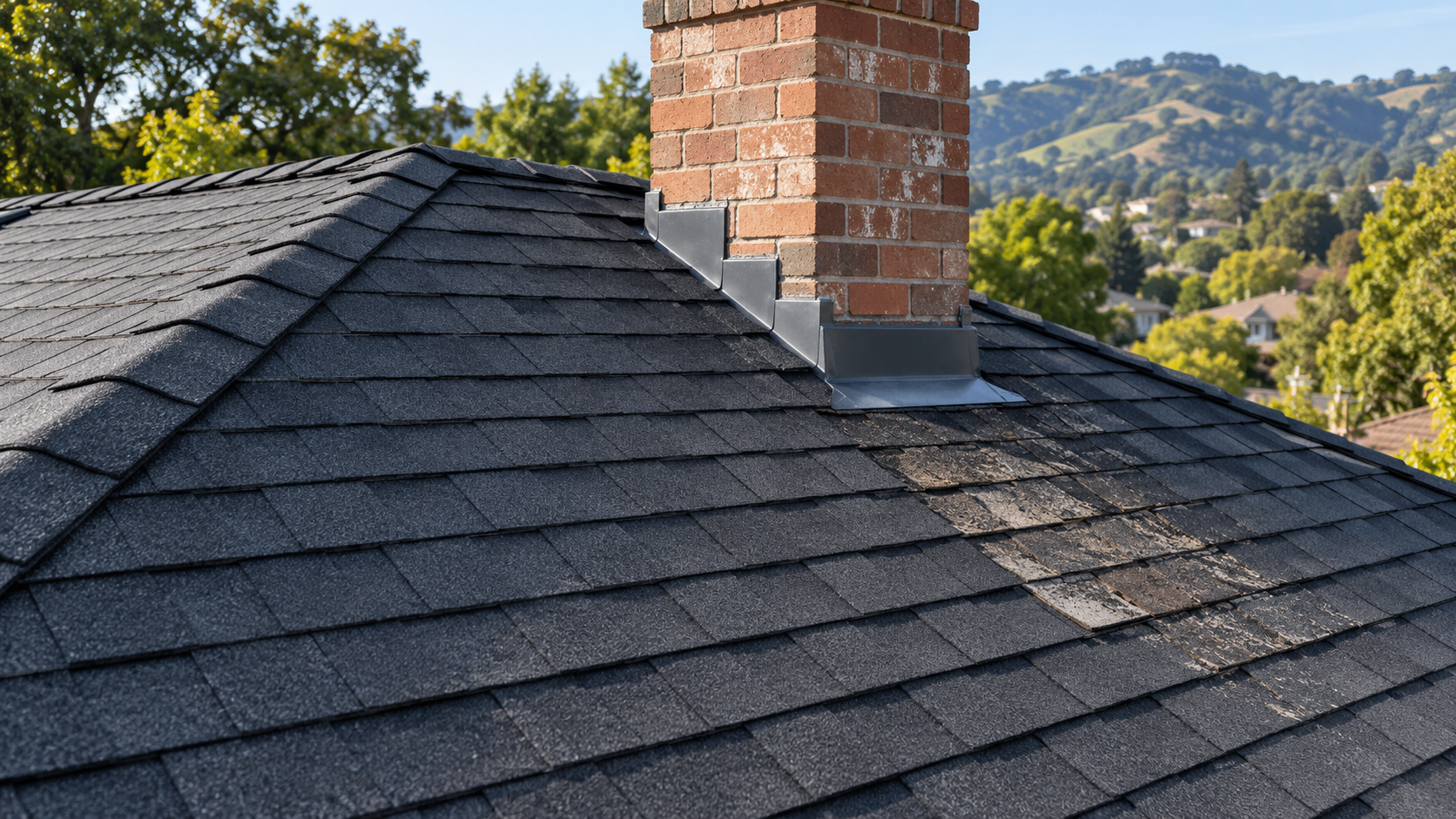
Should I Repair or Replace My Roof in the East Bay?
Compare roof repair and replacement in the East Bay. Learn which signs to discuss, what an assessment should cover and how to compare estimates.
Read the guide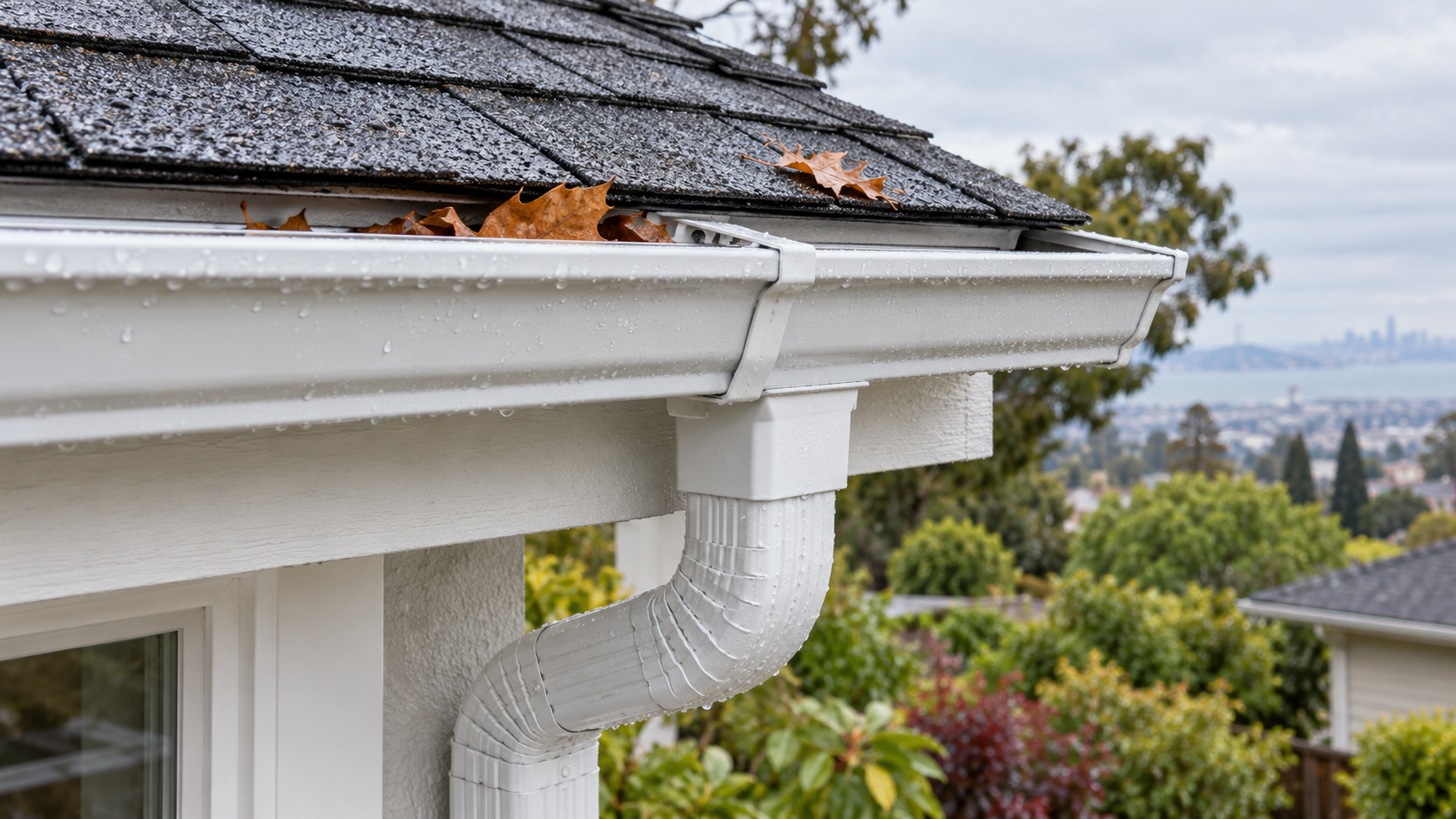
Oakland · Roof Maintenance
How Do I Prepare My Oakland Roof and Gutters for Rain?
Prepare your Oakland roof and gutters for rainy weather. Review visible warning signs, drainage concerns and questions to ask before scheduling maintenance.
Read the guide