
Roofing Tips · Fremont
Choosing a Roofing Contractor for a New Roof Area
Define the project before comparing installation proposals
New roof installation can mean roofing over a new home, an addition or another newly built roof area. It is a different starting point from removing and replacing an existing roof. When you contact a contractor, explain what is being built and which parts of the roof already exist. That distinction shapes the assessment, coordination and proposed work.
For a homeowner looking for a Fremont roofing contractor, the best fit is a contractor whose proposal follows the actual project. A roof covering is part of a wider assembly with edges, transitions, penetrations and drainage. On an addition, the meeting point between new and existing work deserves an explicit discussion rather than a vague assumption that the roofs will connect.
Banner Roofing lists new roof installation among its services. Confirm the available scope for your Fremont project and share any relevant drawings or construction information. This guide explains what to ask before hiring and how to keep the installation conversation separate from a roof replacement decision.
Roofing Tips · Set the project boundary
What Does Your New Roof Installation Actually Include?
Identify new areas and retained areas
Describe whether the roof is entirely new or joins an existing home. Identify retained roof slopes, walls and nearby components that may be affected. Ask the contractor to explain which areas are included in the estimate and how the boundary will appear in the written scope. A clear description is useful even when other project drawings exist.
If you are unsure whether your work should be called new installation or replacement, explain the construction instead of forcing it into a label. The contractor can clarify the appropriate service and what information is needed. Do not assume a service name settles the method or every component that belongs in the proposal.
Keep existing-roof concerns visible
An addition may introduce new roofing work without resolving deterioration on the rest of the home. Mention previous leaks, earlier repairs and questions about the retained roof. Ask whether those areas will be assessed and whether any work requires a separate scope.
Our repair-or-replacement guide can help frame decisions about the roof you already have. Keep that assessment distinct from the new construction scope so each decision has a clear reason and neither disappears inside a single total price.
Roofing Tips · Interfaces and sequencing
How Should the Contractor Address Roof Connections?
Ask who coordinates the meeting points
New roofing may meet an existing roof, a wall, a roof penetration or another construction component. Ask how those interfaces will be defined and which trade is responsible for each part. The homeowner should not have to assume that adjacent contractors have included the same detail in their proposals.
Request a clear communication route for questions that arise during the project. If an interface changes, ask how the revised work will be documented and approved. Coordination is practical: it reduces the chance that a visible finished surface hides an unresolved boundary between two scopes.
Discuss the sequence before promising a date
Ask what needs to be ready before roofing can begin and which following tasks depend on the roofing work. Explain other construction activities that could affect access or the roof surface. Request a discussion of weather and incomplete work areas rather than assuming that a general start date covers every condition.
The detailed new roof installation contractor guide offers additional questions about additions and tie-ins. Its planning framework can support your Fremont conversation, while the proposal and any required approvals must reflect your own property and project team.

Roofing Tips · Suitability before appearance
What Should You Ask About Roofing Materials?
Compare the specified system, not just the visible finish
Ask why a proposed roof covering fits the project and which accompanying components belong to that specification. Appearance matters, but material selection should also account for the roof design, intended assembly and interfaces. Request the specific products in writing rather than assuming that a familiar category identifies every part.
If the proposal includes shingle roofing or tile roofing, ask how the material choice affects detailing, installation planning and later care. Do not infer that every product or profile is available from the service name. Confirm the actual options directly.
Request the real warranty and care information
Ask which manufacturer documents and proposed workmanship terms apply to the specified work. Compare the actual language, including any responsibilities or exclusions, instead of relying on a general warranty headline. The promise should be linked to the product and scope offered for your project.
Keep those documents with the completed roof record. If maintenance or use restrictions are described, ask for a plain explanation and how to retain the relevant information. A good handover helps the next owner or contractor understand the roof without reconstructing the installation from photographs alone.
Roofing Tips · Follow water beyond the roof edge
How Does Drainage Fit Into a New Installation Proposal?
Define gutters and downspouts separately
Ask how water is intended to leave the new roof area and whether the proposal includes gutter installation. On an addition, explain whether existing gutters or downspouts are being retained, moved or connected to new components. The roofing scope should identify relevant boundaries instead of treating drainage as an afterthought.
Where a new downspout is proposed, review downspout installation as its own service. Ask which connections and discharge considerations are part of the work and which need another project decision. A connected appearance does not establish that every part of the runoff route was included.
Confirm requirements through the appropriate project channels
A contractor-selection article cannot determine the approvals or detailed requirements for an individual Fremont project. Ask the contractor and relevant design or permitting professionals which authority and documents apply. Keep answers tied to the actual property and current project information.
Do not select a drainage route, roof material or construction detail solely because it appears in an example online. Use the example to formulate a question, then have the project team confirm the applicable design and scope. Written clarification is especially helpful where new work changes an existing condition.
Roofing Tips · Keep the roof scope current
What Happens if the Construction Plan Changes?
Tell the contractor about changes before work proceeds
An addition can change while the homeowner and project team refine the wider design. If a roof area, wall connection or planned penetration changes, tell the roofer promptly and ask whether the current proposal still describes the work. Do not assume that a small change on a drawing is small from a roofing perspective. A revised interface can affect which components need coordination and what information must be confirmed. The useful question is not whether a change sounds minor, but whether the written roof scope and installation sequence still match the project that will actually be built.
Retain the latest agreed version
Ask how revised descriptions or drawings will be identified and which version the contractor is using. Keep superseded documents for history, but make the current approved scope easy to distinguish. If a change affects pricing, timing or another trade, request the proposed consequence before assuming that the original arrangement remains in place. A contractor-selection decision includes the ability to communicate about changes clearly, not just to provide an attractive first estimate. At handover, retain the final agreed scope and any available product information with the home’s roof record. Future maintenance decisions will be easier when the record describes what was installed rather than an early idea that changed during construction.
Roofing Tips · Scope, coordination and handover
What Makes Installation Estimates Comparable?
Create a short comparison checklist
For each proposal, record the new roof area, retained components, specified materials, interfaces, drainage work and access arrangements. Add exclusions and the process for handling changes. If one estimate is more detailed, do not assume the other includes the missing items. Ask before comparing totals.
Also identify which party is coordinating other trades and what must be ready at each stage. The best contractor for a new installation is not simply the closest listing or the lowest number. Look for a plan that explains the roof assembly and fits the construction sequence you actually have.
Agree on the completion record
Before work begins, ask what the final handover will include. Useful records can identify products, the completed scope and any agreed care information. Confirm what will be provided rather than assuming a particular photo report or inspection package.
To discuss your Fremont new roof project with Banner Roofing, explain whether it is new construction or an addition and share available construction information. State the main question you need answered, such as material fit, installation scope or connection to an existing roof. That creates a more useful starting point than asking for a roof price without describing the work.
Roofing Tips · Questions & Answers
Fremont Roofing Contractor Questions
How do I find the best roofing contractor near me for new roof installation in Fremont?
Look for a contractor who confirms service to your address and explains the proposed roof assembly, interfaces and construction sequence. Compare written scopes and relevant experience rather than choosing by proximity alone. Verify current credentials and request the actual proposed material and workmanship terms before deciding which contractor fits the project.
Is a new roof installation the same as roof replacement?
Not necessarily. New installation can concern roofing over new construction or an addition, while replacement concerns an existing roof. Explain which areas are new and which are retained. The contractor can clarify the service and scope, including whether the existing roof needs its own assessment or separate recommendation.
Should I contact a roofer before an addition is ready for roofing?
Discuss the project early enough to understand information, coordination and access needs. Ask what must be ready before an assessment or installation proposal can be finalized. Avoid treating a preliminary conversation as a confirmed schedule. The contractor should explain the next step based on the actual stage of the project.
Do I need matching materials on the existing and new roof?
That depends on the design and the project-specific requirements. Ask the contractor and relevant design professionals how the proposed materials relate to retained roofing and interfaces. Do not assume that similar appearance establishes technical compatibility or that a different appearance is the only issue that needs review.
Are gutters automatically included in a roofing installation estimate?
Only when the written scope includes them. Ask which gutters, downspouts and connections are new, retained or outside the proposal. Keep discharge questions visible too. A roof installation and a drainage installation may be coordinated while still requiring distinct scope descriptions and separate decisions.
What should I do when two installation estimates differ substantially?
Compare the included areas, products, interfaces, preparation, drainage work and exclusions before comparing prices. Identify missing items as questions rather than assumptions. Ask each contractor how additional findings or project changes would be documented. A meaningful comparison begins with understanding what each proposal is intended to deliver.
Related Roofing Guides
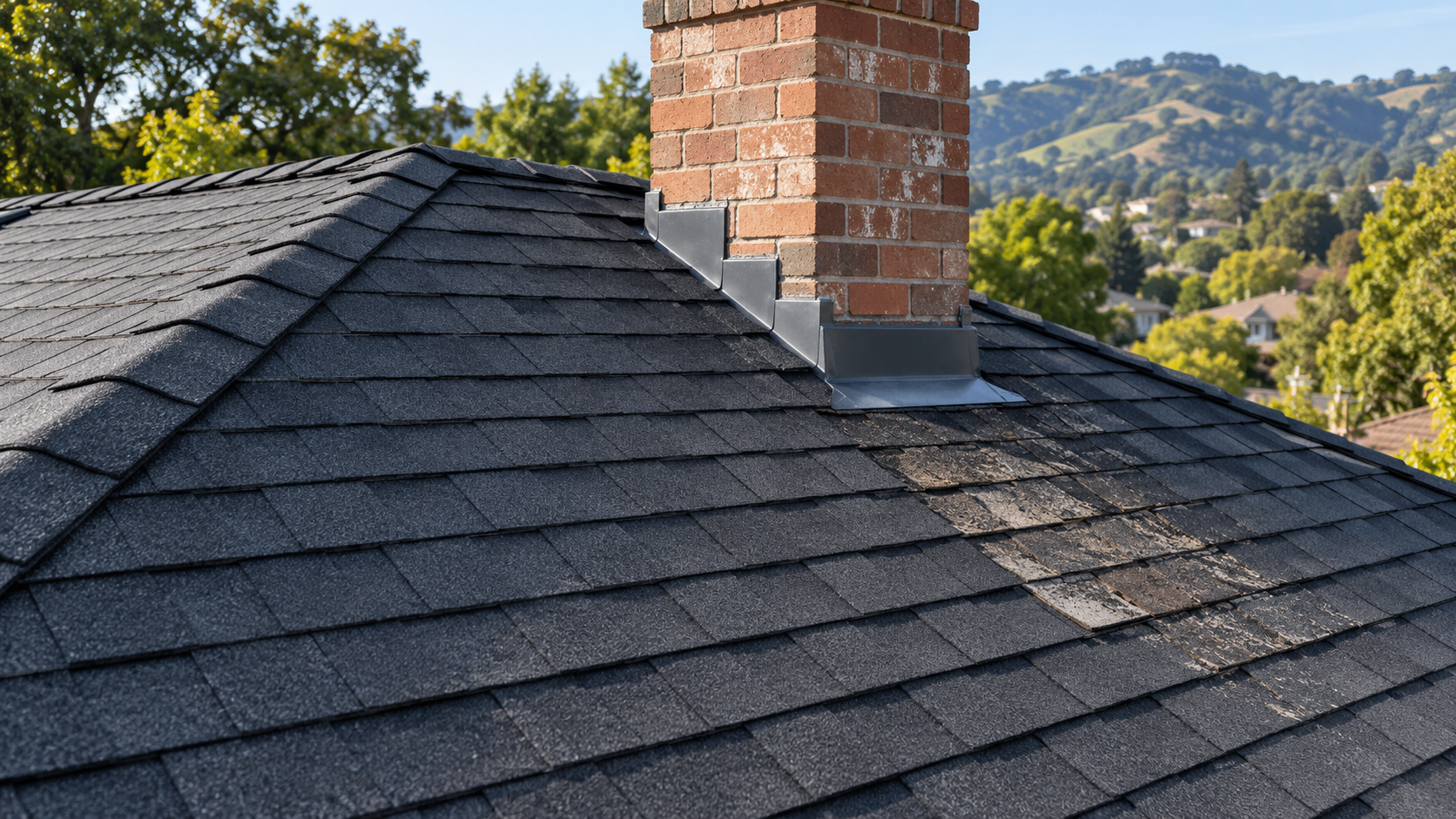
East Bay · Roofing Decisions
Should I Repair or Replace My Roof in the East Bay?
Compare roof repair and replacement in the East Bay. Learn which signs to discuss, what an assessment should cover and how to compare estimates.
Read the guide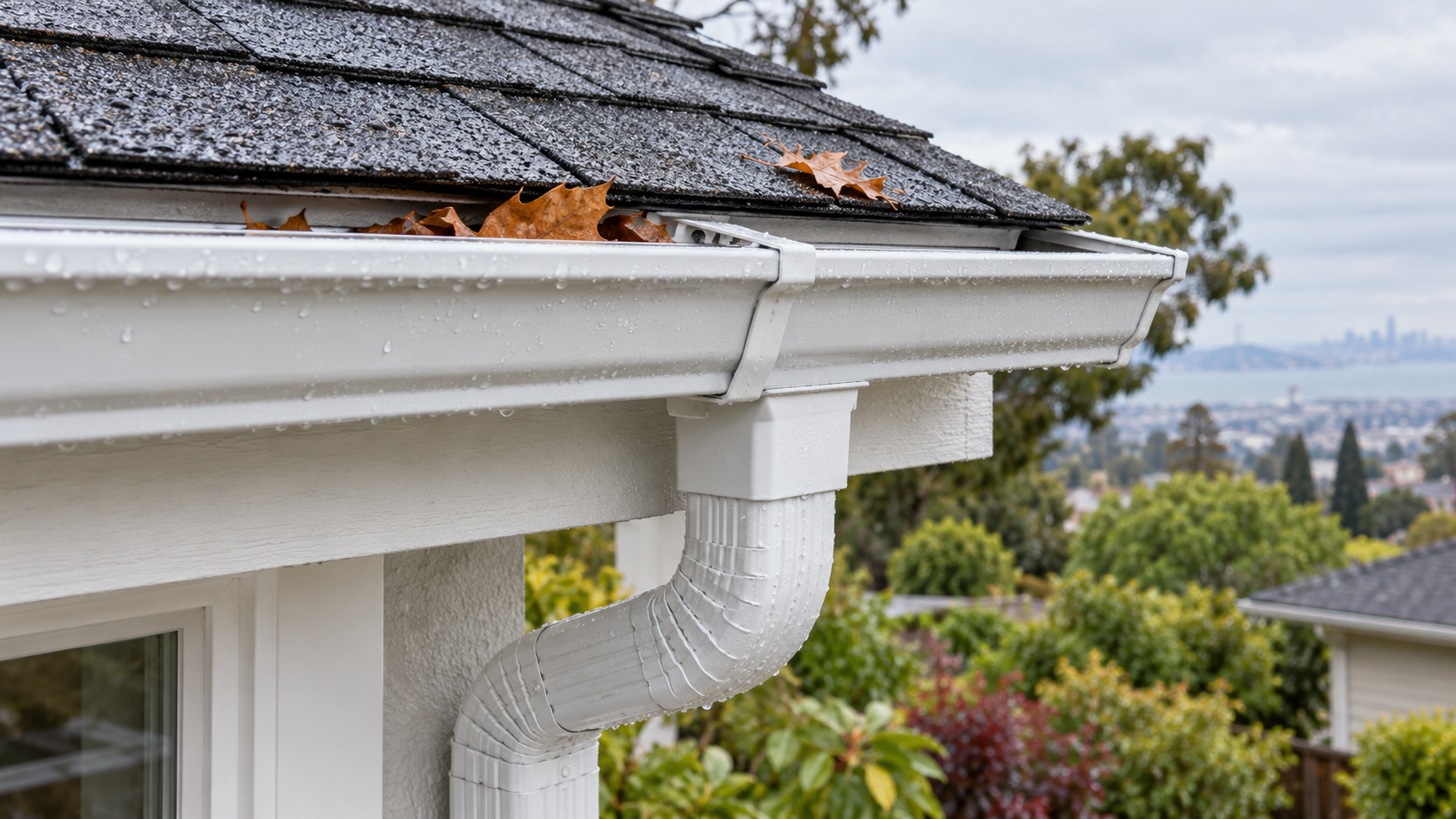
Oakland · Roof Maintenance
How Do I Prepare My Oakland Roof and Gutters for Rain?
Prepare your Oakland roof and gutters for rainy weather. Review visible warning signs, drainage concerns and questions to ask before scheduling maintenance.
Read the guide