
Roofing Tips · Alameda
Understanding Commercial Roof Leaks Before Choosing a Repair
The indoor stain is a clue, not the full diagnosis
Commercial roof leaks can involve roof penetrations, flashing, seams, drainage and deterioration of the roof covering. Water may travel before it appears inside, so the room with the stain does not necessarily identify the entry point. A useful assessment connects the symptoms with the roofing system and explains which findings support the recommended work.
For an Alameda property owner or manager, that means collecting more than a photograph of a wet ceiling. The timing of the leak, previous repairs, rooftop equipment and access arrangements can all shape the conversation. Begin by describing the building and confirming the available commercial roofing service scope. Different systems and site conditions require different approaches; a general leak description should not become an assumed repair method.
This guide covers the questions to ask before approving work, including how to compare repair and replacement recommendations and how drainage relates to the wider roof. It also explains what to record when a leak returns. Whether you manage a small business property or another commercial building in Alameda, the goal is the same: a clear explanation of the condition, the proposed work and the next step for your property.
Roofing Tips · Common leak locations
Which Roof Details Can Contribute to Commercial Leaks?
Review flashing, penetrations and transitions
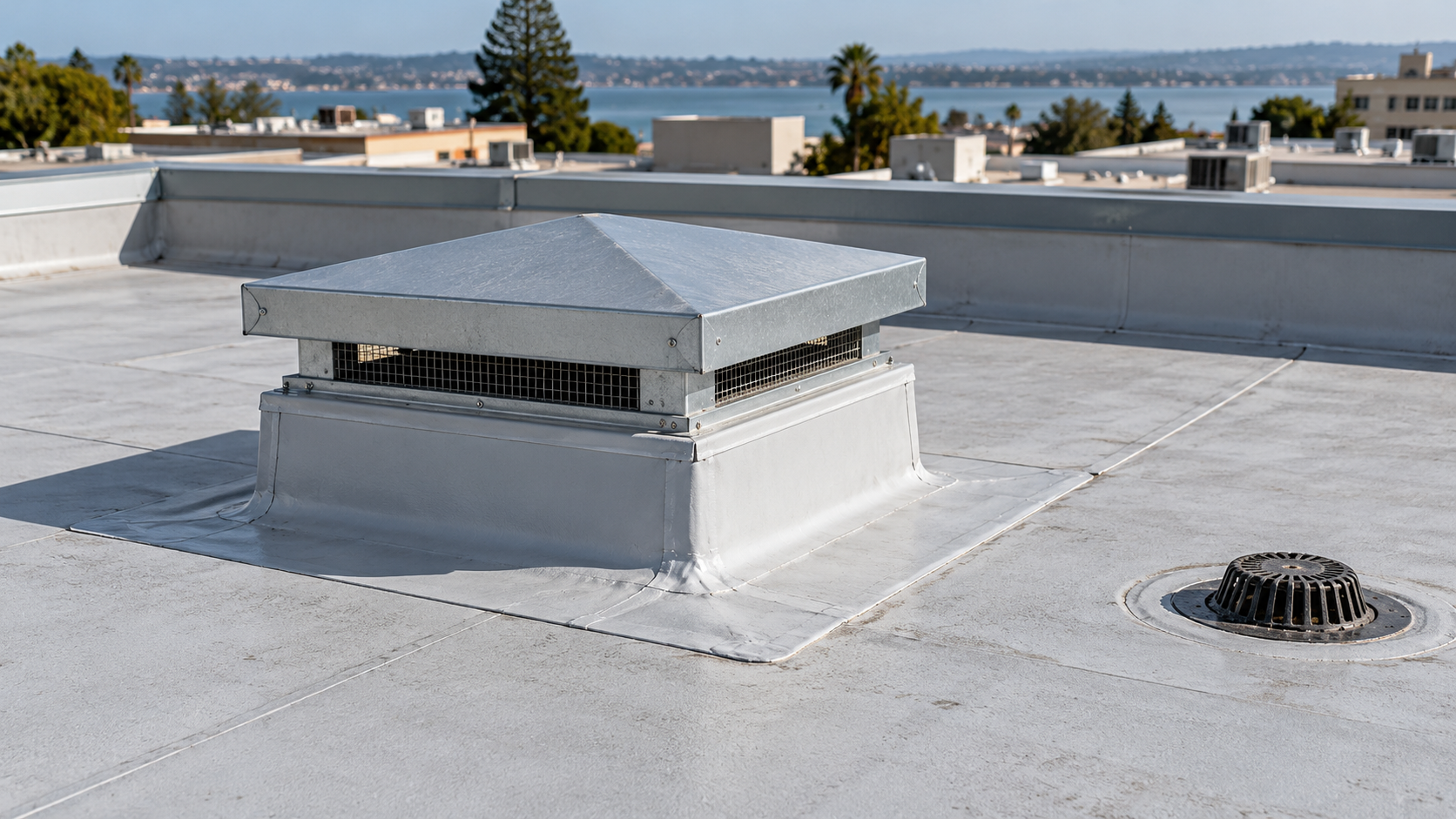
Commercial roofs may include equipment curbs, vents, walls and other transitions where the roof surface changes direction or meets another component. Flashing provides protective detailing at those locations. Ask which transitions were reviewed and whether the assessment found damage, deterioration or a concern with an earlier repair. The explanation should identify relevant details rather than describe the entire roof as leaking.
When work by another trade has taken place near the roof, provide the date and location. That history is useful context, but it is not proof of responsibility. Let the assessment establish what is happening now and whether the work area relates to the symptoms.
Discuss the roof covering and seams in context
For a roof system with seams, ask how those areas and any existing repairs were evaluated. The system’s material and condition matter when a repair method is chosen. Avoid selecting a patching product based only on appearance or a general online recommendation. Ask the contractor to explain material suitability and the surrounding condition, and confirm that the proposed work is within the available service scope.
Roofing Tips · Diagnosis & records
How Can You Help Trace a Commercial Roof Leak?
Record when and where water becomes visible
A useful leak history identifies the affected interior area, when water appears and whether the pattern changes with rain or wind conditions. Add photographs taken from safe accessible locations and note any earlier repairs. When the entry point is uncertain, discuss roof leak detection before treating a ceiling stain as a precise repair location.
Use simple descriptions that another person can follow: the room, nearby wall, approximate position and date. A marked floor plan can be easier to interpret than several close-up photographs without context. Keep the original images so changes can be compared later.
Describe changes without assigning a cause too early
Include changes to equipment, access activity or adjacent building work, but separate observations from conclusions. Water appearing after a service visit does not by itself establish the source. Ask which components were assessed, what evidence was found and which uncertainties remain. If an additional investigation is proposed, request an explanation of how it will help define the repair. Clear records support the assessment without replacing it.
Roofing Tips · Repair decisions
Does a Commercial Roof Leak Mean Repair or Replacement?
Distinguish an isolated defect from broader deterioration
A leak does not automatically mean the entire roof needs replacement. A limited defect may support a defined roof repair when the surrounding condition allows it. Multiple deteriorated areas or recurring problems may raise a different discussion. Ask which findings make a repair practical and what that repair would leave outside its scope.
If roof replacement is recommended, request an explanation of the overall condition and the components involved. The recommendation should connect the assessment with the proposed work rather than rely only on the roof’s approximate age. Confirm the roofing system and project requirements before comparing options.
Compare recommendations using the same questions
Use the table below to organize an owner or manager review. It helps separate a repair scope from a replacement scope and highlights questions that can otherwise disappear inside a total price. Ask for clarification where recommendations differ. A useful comparison explains what each option resolves, what remains and how additional findings would be communicated.
| Review point | What the proposal should explain |
|---|---|
| Evidence | Which findings support the recommended work? |
| Work area | Which roof areas and components are included? |
| Material suitability | How does the repair method relate to the existing system? |
| Remaining concerns | What is excluded or recommended for later review? |
| Business arrangements | What access and scheduling coordination is required? |
Roofing Tips · Water management
Why Should Drainage Be Part of a Commercial Roof Assessment?
Ask how water is intended to leave the roof
A low-slope commercial roof needs a planned route for runoff. Depending on the building, that route may involve drains, roof-edge outlets, gutters or downspouts. Tell the contractor where water has been observed collecting and ask which drainage components are included in the assessment. Standing water is an observation to investigate, not a diagnosis of a particular leak source.
Do not enter a wet roof to check a drain or clear an obstruction yourself. Share any existing maintenance records and request a review suited to the building. Identify where roofing work ends and where another drainage or building service may be needed.
Connect exterior drainage concerns with the repair scope
Where the building uses gutters and downspouts, explain leaks, loose sections and discharge concerns separately. Discuss gutter repairs or downspout repairs when those components need attention. Ask whether the work is included or requires a separate proposal. Our roof and gutter rain-preparation guide offers a useful framework for recording visible drainage symptoms, while a commercial assessment should reflect your building’s specific system.
Roofing Tips · Scope & coordination
What Should an Alameda Property Manager Ask Before Approving Work?
Make the proposal specific to the building
Provide the property address, building use, roof system if known and a record of the leak. Explain access procedures, operating hours and areas where occupants or equipment could be affected. Ask which arrangements are needed for the proposed work and what conditions could change the schedule. Do not assume that a small visible defect means a visit will have no operational impact.
Request a written scope covering the work area, materials, preparation, cleanup and exclusions. Ask how new findings will be documented and discussed. If warranties or follow-up services are proposed, obtain their actual terms rather than assuming coverage from a product or service name.
Keep a roof record after the repair
Retain the findings, photographs, final scope and any recommended roof maintenance in one place. If water returns, the next assessment can begin with a clear account of what changed. Contact Banner Roofing about your Alameda commercial property to discuss the building and available scope. Include your leak history and access needs so the first conversation addresses the project you actually have.
Roofing Tips · Questions & Answers
Commercial Roof Leak Questions for Alameda Property Owners
Why is water showing up far from the apparent roof problem?
Water can travel along building components before appearing inside. Record the affected room and the timing rather than assuming the entry point is directly overhead. A roof assessment should connect those observations with the roofing system and explain the evidence supporting the proposed repair location.
Are roof penetrations a common place to investigate leaks?
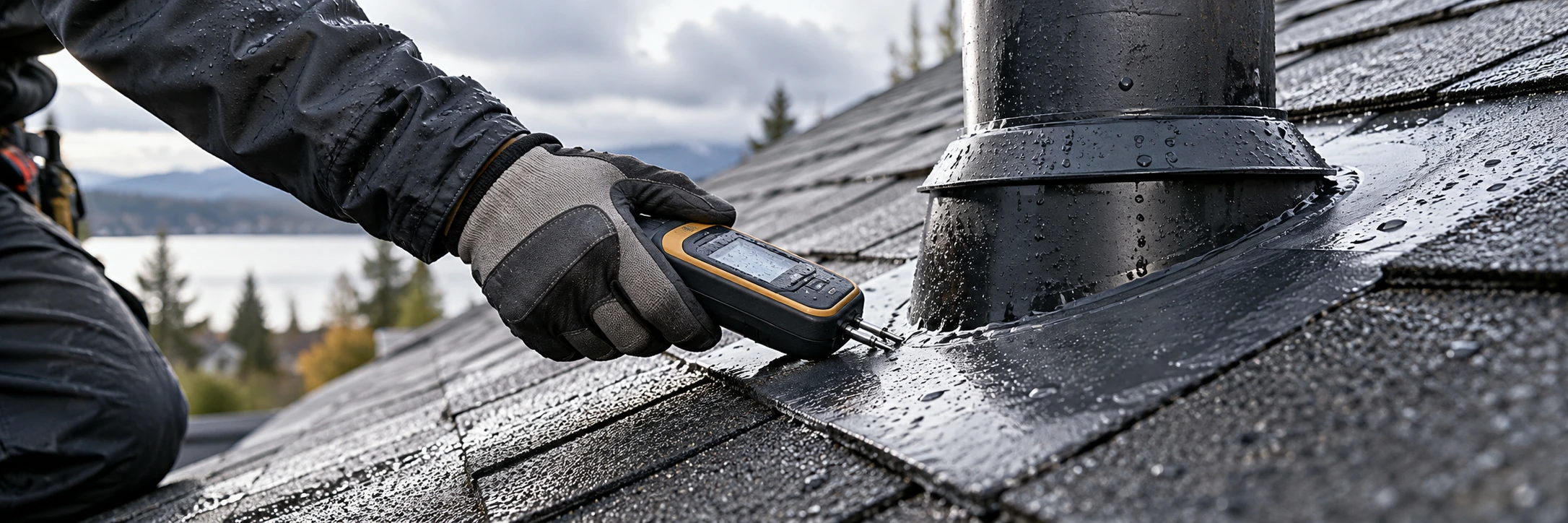
Penetrations and their flashing are relevant assessment points because the roofing system transitions around them. They are not the only possible source. Ask which curbs, vents, walls or other details were reviewed and what was found. The proposed scope should follow the evidence at your building.
Can a blocked roof drain cause problems without a visible hole?
Drainage concerns can affect how water collects and leaves a low-slope roof. The absence of an obvious hole does not establish that the system is sound or identify the cause of an indoor leak. Ask for drainage and roofing details to be considered together within an appropriate assessment.
Can the same commercial roof be repaired more than once?
That depends on the system, the surrounding condition and the nature of the defects. Earlier repairs do not automatically prove that another repair is suitable or that replacement is required. Provide the repair history and ask whether the new recommendation addresses an isolated issue or a broader pattern.
How much does commercial roof leak repair cost in Alameda?
A meaningful estimate requires the roof system, work area, access needs and proposed method to be identified. Additional findings may also affect the scope. Ask for a written explanation of included work and exclusions. General online prices cannot establish the cost of resolving a particular building’s leak.
Can a business remain open during roofing work?
Discuss that with the contractor using the building’s operations, access and proposed work as the starting point. Ask how occupants, deliveries or equipment could be affected and what coordination is needed. Do not assume that all repair methods or property layouts allow the same arrangements.
Should rooftop equipment work be mentioned during a leak assessment?
Yes. Share the date, location and nature of recent equipment or building work, together with any changes in the leak pattern. Keep that information factual. The assessment should determine whether the activities relate to the current condition rather than assigning a cause based only on timing.
What should I check when the leak seems to have stopped?
Keep a record of the repair and observe the previously affected interior area during later rain from a safe location. Note whether the symptom returns or changes. Ask what follow-up or maintenance is recommended and keep those instructions with the scope so future conversations have a clear starting point.