
Residential Roofing · Castro Valley
Choosing a Castro Valley Roofing Contractor for Tile Repairs
A damaged tile is a starting observation, not the whole diagnosis
A cracked or displaced roof tile can be easy to notice from the ground. It is harder to know whether that tile explains an indoor leak, whether neighboring details are involved or whether a previous repair changed how water moves through the roof. The best contractor for a Castro Valley tile repair should be able to explain that connection before recommending a scope.
Banner Roofing lists Castro Valley in its East Bay service coverage and offers tile roofing and roof repair services. This guide explains how to choose a contractor and prepare for the estimate conversation. The separate Castro Valley roof repair guide focuses more closely on damaged tiles and repair findings.
Begin with safe observations, the history of the symptom and the information you already have. You do not need to walk on tiles or remove a piece to make a useful inquiry. A clear account gives the contractor a starting point while leaving the assessment to establish what work is needed.
Residential Roofing · Assessment scope
What Should a Tile Roofing Contractor Investigate?
Connect tile condition with water-entry clues
Describe visible cracks, shifted pieces and indoor symptoms separately. Note whether the concern began after a particular event or whether it returns under similar conditions. Water can travel before it appears indoors, so the room with a stain does not by itself identify the repair location. Ask which roof details will be reviewed and how the findings will be explained.
Previous invoices can be especially useful when the same symptom returns. Identify the location and nature of earlier work without assuming it was either successful or responsible for the current problem. A repair history gives context; it is not a diagnosis.
Ask about components beneath and beside the tiles
A tile roof includes more than the visible covering. Ask how the assessment considers underlayment and transitions where relevant. Flashing around penetrations or adjoining walls can be part of the discussion. If the entry point remains unclear, ask whether roof leak detection is needed before approving a particular repair area.
Residential Roofing · Repair boundaries
How Do You Tell a Defined Tile Repair From a Wider Project?
Ask what supports a limited scope
A repair recommendation should identify the affected area and explain why the surrounding condition supports the approach. Ask which pieces will be handled, what preparation is included and what would remain outside the work. The phrase tile repair can describe very different tasks, so request the detail needed to understand yours.
If the proposal includes replacing damaged tiles, ask how suitability and fit will be addressed. Existing materials can vary, and appearance alone does not settle whether a replacement piece is appropriate. A contractor should explain the actual option available rather than promise an exact visual match before confirming it.
Do not turn one crack into a whole-roof conclusion
Visible damage can warrant a review without establishing that the entire roof must be replaced. Conversely, replacing one piece may not address a broader underlying condition. If the conversation expands, use the repair-versus-replacement guide to compare what each scope resolves and what concerns remain.

Residential Roofing · Choosing the provider
Which Contractor Qualifications Are Relevant to Tile Work?
Look for experience with the actual roofing system
Ask about comparable tile work and how the contractor defines repair areas. Request an explanation of the kinds of tile and underlying conditions involved in the proposed job. Relevant experience is more informative than a general claim to work on every roof. A contractor should also confirm when further evaluation is needed or when a particular task falls outside the available scope.
Ask what project photos represent. Finished roof images, close detail photos and illustrative advice images serve different purposes. When evaluating evidence, look for enough context to understand the work rather than assuming every attractive image depicts a local completed job.
Check the business information independently
Verify business identity and the relevant license information through the California Contractors State License Board. Ask about applicable insurance and written terms. Read review details for communication, respect for the property and handling of changes. A best-contractor decision is stronger when the credentials and the proposed process can both be checked.
Residential Roofing · Written proposal
What Should a Castro Valley Tile Repair Estimate Include?
Identify components and unknowns
Look for a described work area, the proposed repair method, materials, preparation and cleanup. Ask which adjacent tiles or details may be involved in access to the repair. If the assessment cannot establish every underlying condition in advance, request the process for documenting additional findings and obtaining agreement before the scope changes.
Keep the repair objective explicit. Is the proposed work intended to address visible tile damage, a confirmed water-entry detail or both? That distinction makes it easier to understand what completion means and what observations should be monitored afterward.
Ask how the repair location will be identified in the proposal, such as by a photograph or a plain description of the relevant roof area. A line reading repair broken tiles can be difficult to interpret months later. Enough location detail to connect the scope with the findings makes future records more useful, especially if another roof area develops a symptom that initially looks similar.
Compare proposals by the work they describe
Two contractors may appear to quote the same tile repair while including different work beneath the covering. Ask each to explain retained components and exclusions. Do not assume a lower total means the same repair at a better price. A clear description is the basis for comparison, especially where access and concealed conditions affect the work.
| Item | What the homeowner needs to understand |
|---|---|
| Evidence | Which findings support the repair location? |
| Tile scope | Which pieces and surrounding areas are involved? |
| Underlying details | What underlayment or flashing work is included? |
| Uncertainty | How are additional findings communicated? |
| Completion | Which records and follow-up observations are provided? |
Residential Roofing · Requesting help
How Do You Arrange an Estimate Without Climbing Onto the Roof?
Use safe photographs and a simple history
Photograph visible conditions from accessible ground-level positions and any indoor staining from a safe location. Record when the symptom appears and whether it changes with rain or wind. Include the approximate roof age if known, but label uncertain dates as estimates. There is no need to create a definitive diagnosis before contacting a contractor.
Describe gates, driveways, slope around the property and any areas that cannot be used for staging. Mention roof-mounted equipment or planned work by other trades. These are planning facts, not reasons to assume the project requires a particular method.
Confirm the actual appointment and proposal process
Contact Banner through the free-estimate request page or published phone number with the Castro Valley property location and concern. Ask what happens next and how any visit will be confirmed. A submitted form does not automatically establish an appointment, immediate availability or a complete repair scope.
Residential Roofing · Ongoing roof care
What Should You Keep After the Repair?
Save the work record and care advice
Keep the final written scope, approved changes and photos supplied by the contractor. Record the date and the symptom that prompted the work. Ask what was completed, which items were excluded and what care instructions apply. If another assessment is needed later, this record helps separate a recurring problem from a new condition.
Review relevant roof maintenance recommendations without walking across tiles yourself. Ask which observations are useful from the ground and what should prompt contact. A maintenance discussion should reflect the roof material and actual findings rather than a promise that one repair eliminates all future problems.
Observe drainage concerns separately
Note damaged or disconnected downspouts and report them as distinct concerns. The Castro Valley downspout repair guide covers connection problems, while the rain-preparation checklist helps organize safe observations before wet weather. Keeping the observations specific makes each future conversation more useful.
Define how tile access relates to the repair area
A contractor may need to handle surrounding pieces to reach the detail being repaired. Ask how that access relates to the written work area and whether the estimate distinguishes the target defect from the components moved to reach it. This is useful when the visible symptom involves a small number of tiles but the proposed activity covers a larger area. Ask for an explanation of the relationship instead of assuming either that the contractor is expanding the job unnecessarily or that the smallest visible area must contain all the work. A description tied to a photograph can make the scope much easier to follow.
Ask what the plan is if an existing tile breaks during handling or if a suitable replacement cannot be confirmed in advance. The contractor should explain the available approach and how any material uncertainty will be discussed. Avoid making an exact color match the only measure of whether an option is suitable. Fit, the condition of surrounding components and the proposed roofing detail also need an explanation. If appearance will differ, ask to understand that limitation before approval. Keep any agreed material substitution with the estimate so a later review does not rely on remembering a verbal discussion about what was available.
Keep deferred roof concerns in the record
A focused tile repair may leave other roof areas outside the assessment or outside the approved work. Ask the contractor to distinguish those two situations. An area that was not reviewed should not be described as satisfactory simply because it is outside the repair. If other observations were noted but no work is being proposed now, ask what follow-up is recommended and what information would support a later decision. Keep this separate from the repair item you approve. That distinction is useful when planning future maintenance and when deciding whether a later symptom belongs to the same issue, a deferred concern or a roof area that was never part of the original visit.
Residential Roofing · Questions & Answers
Castro Valley Roofing Questions
How do I find the best roofing contractor near me in Castro Valley for tile repairs?
Confirm Castro Valley coverage, relevant tile-system experience and independently checked credentials. Ask how the contractor will connect the visible damage with the repair recommendation. A useful written scope should identify the affected components, remaining uncertainty and the next steps.
Does one cracked tile explain an indoor leak?
Not necessarily. The visible tile may be relevant, but water can enter through other details or travel before appearing inside. Ask for the affected tile and relevant underlying or adjoining components to be assessed before selecting the repair location.
Can I walk on the roof to find more broken tiles?
Do not climb onto the roof to prepare an estimate inquiry. Use photographs from safe accessible locations and describe what you can see. Let the contractor plan appropriate access and assessment for the actual roofing material and property.
What if an exact replacement tile is unavailable?
Ask the contractor to explain suitable options and any limitations in fit or appearance. Do not assume every tile with a similar color is interchangeable. The estimate should describe the proposed material and explain any uncertainty before you approve the work.
Are gutters included in a tile roof repair?
Only when the written proposal includes that work. Report overflow or damaged connections, then ask whether a separate gutter or downspout scope is needed. A tile repair does not automatically replace or correct the exterior drainage system.
What should I watch for after a tile repair?
Observe the previously affected interior area and accessible exterior locations during later rain without going onto the roof. Record whether the symptom returns or changes and follow the contractor’s instructions. Keep those observations with the repair scope and date.
Related Roofing Guides
Castro Valley · roof repair
Castro Valley Roof Repair: How Do I Find the Best Roofer for Damaged Tiles?
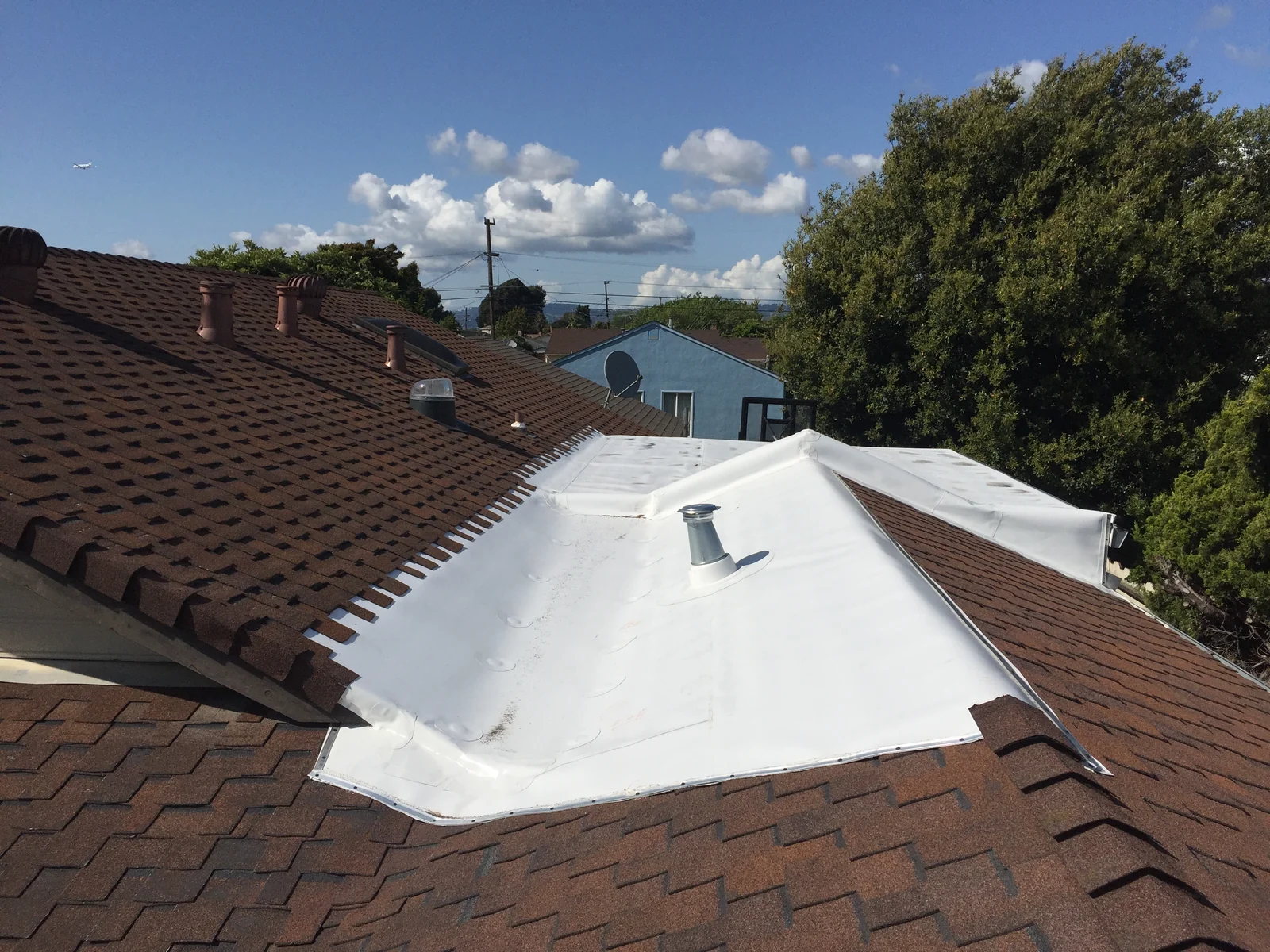
Need Castro Valley roof repair for damaged tiles? Learn what to ask about cracked tiles, underlying water protection, leak diagnosis and a written repair scope.
Read the guide
Castro Valley · downspout repair
Castro Valley Downspout Repair: How Do I Choose the Best Contractor for a Leaking Connection?
A leaking downspout connection needs a clear diagnosis and repair scope. Learn what Castro Valley homeowners should record and compare before hiring help.
Read the guide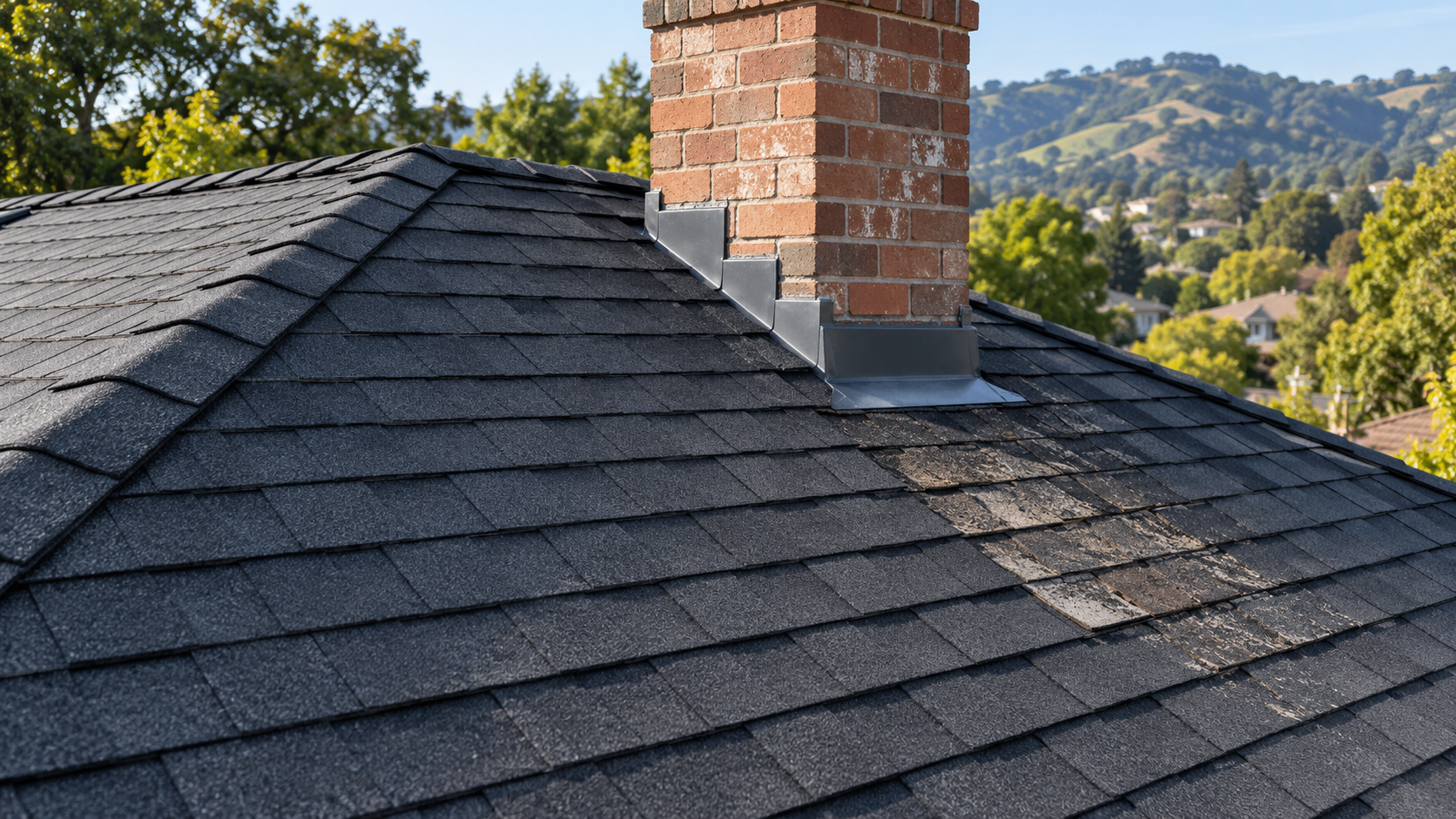
East Bay · Roofing Decisions
Should I Repair or Replace My Roof in the East Bay?
Compare roof repair and replacement in the East Bay. Learn which signs to discuss, what an assessment should cover and how to compare estimates.
Read the guide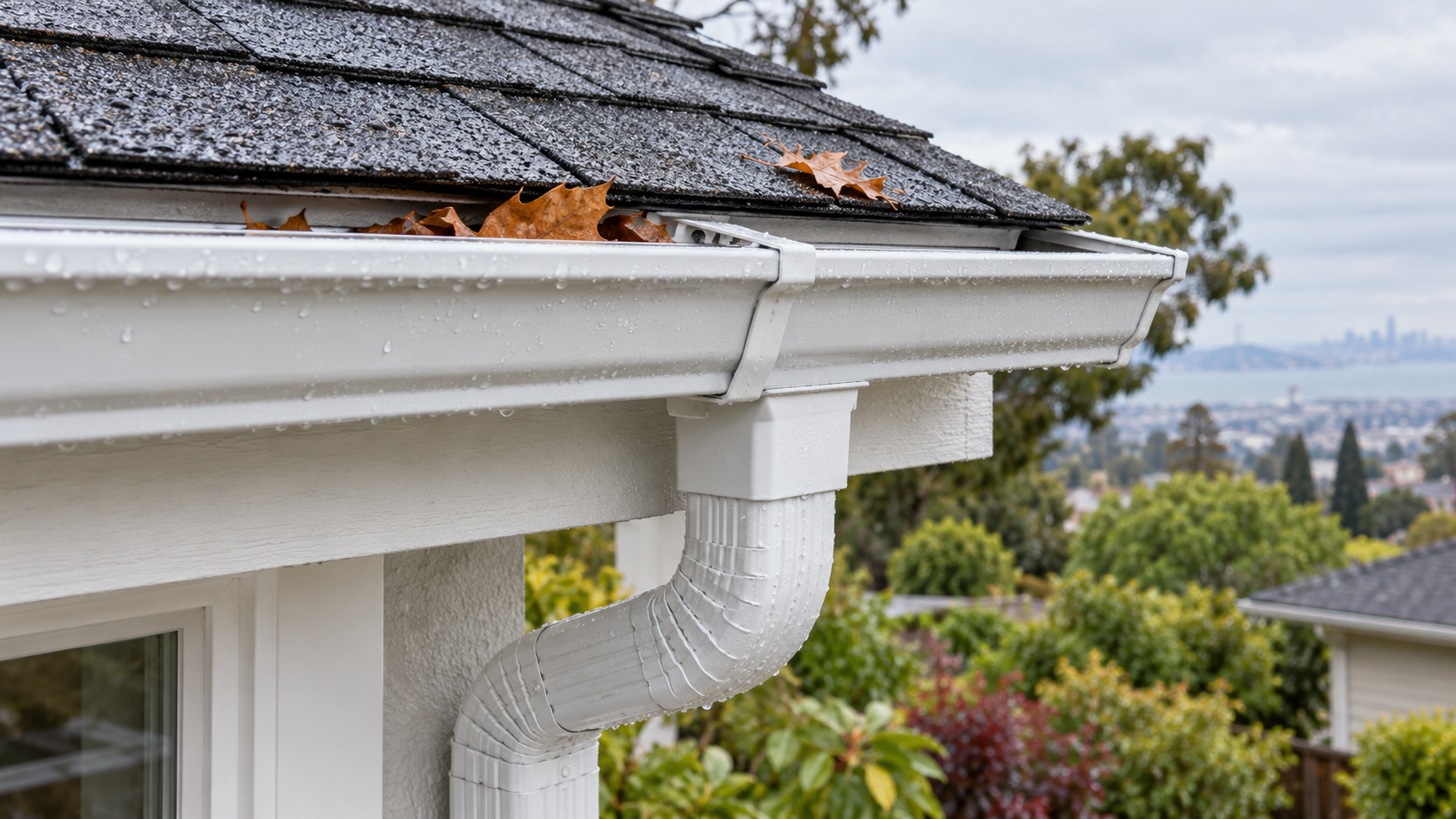
Oakland · Roof Maintenance
How Do I Prepare My Oakland Roof and Gutters for Rain?
Prepare your Oakland roof and gutters for rainy weather. Review visible warning signs, drainage concerns and questions to ask before scheduling maintenance.
Read the guide